Bare windows can leave an otherwise lovely room feeling unfinished. A few changes can bring in softness, privacy, and color, and give the room a polished look without a full makeover.
Whether you prefer breezy curtains, tailored shades, or a few favorite objects on the sill, these 27 ideas offer practical ways to dress your windows.
1. Hang curtains high and wide

Mount the curtain rod above the window frame and extend it past both sides to make the window appear taller and wider. When you open the panels, they will also clear more of the glass and let in more daylight. Check your wall material and choose suitable anchors before hanging anything heavy.
2. Choose floor-length drapery
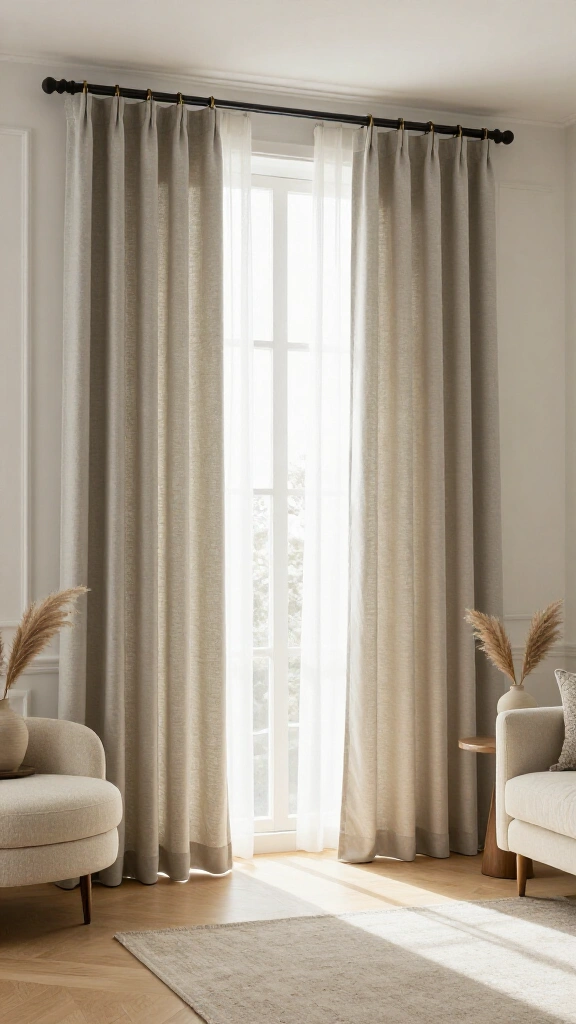
Floor-length curtains give a living room or bedroom an elegant finish. For a crisp look, let the hem hover just above the floor. Let it barely touch for a more relaxed effect. Measure from the rod to the floor before you shop, because curtains that fall a little short rarely look intentional.
3. Layer sheers under heavier curtains

Pair airy sheers with heavier outer panels so you can adjust the light and privacy throughout the day. Sheers soften sunlight, while the outer curtains provide more coverage when you want a cozier room. A double rod lets you move each layer easily and gives the window a finished look.
4. Add tailored Roman shades

Roman shades bring softness to a window without the volume of full curtain panels. Choose a subtle stripe for a classic room or a relaxed linen texture for a casual one. Before you order, decide whether you want an inside mount that leaves the trim visible or an outside mount that covers it.
5. Try natural woven shades
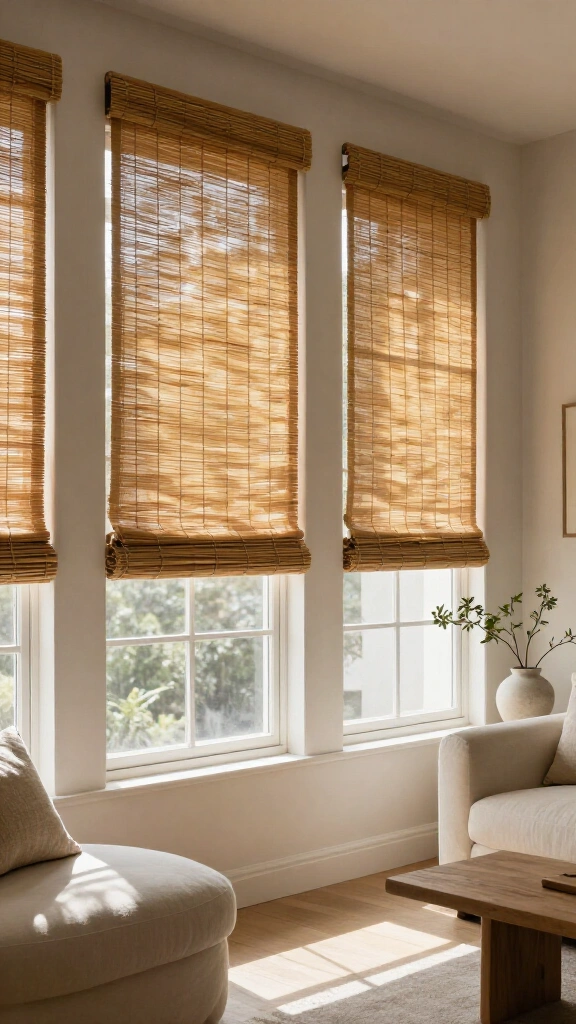
Woven wood shades bring warmth and texture to rooms with lots of painted drywall or smooth furniture. Bamboo, grasses, and similar materials filter daylight, though some weaves offer more coverage than others. Ask about a privacy liner if you need more coverage after dark.
6. Frame the window with velvet panels

Velvet curtains add depth and a little drama, even if the rest of the room feels quiet. Deep olive, navy, and rust give the fabric a rich look, while warm neutrals keep it understated. Choose sturdy hardware that can support the weight of the fabric.
7. Install a slim picture ledge below the window

A narrow ledge makes an awkward stretch of wall beneath a window useful for display. Try a small framed print, a trailing plant, or a ceramic vessel, and leave some space between objects. Keep the ledge clear of heating vents, and choose a shallow depth if it sits near a walkway.
8. Use cafe curtains for easy privacy

Cafe curtains cover the lower part of a window and leave the upper glass open to daylight. They work well in kitchens, bathrooms, and rooms that face the street, where you may want privacy without blocking too much light. Hang the rod high enough to block the sightlines you want to cover.
9. Pick a patterned fabric

Patterned curtains can give a quiet room more personality. Repeat a color from a rug, pillow, or piece of art to connect the print to the rest of the room. If you love bold interiors, browse these colorful room decor ideas for more ways to build a cohesive palette.
10. Upgrade basic curtain hardware

A good rod and finials can make simple curtains look more considered. Try aged brass for warmth, matte black for contrast, or a wood finish that echoes nearby furniture. Match the rod diameter and brackets to your curtain weight, and add a center support if the manufacturer recommends one.
11. Create a cozy window seat

Turn a deep window alcove into a reading spot with a bench, a comfortable cushion, and a couple of pillows. If custom millwork exceeds your budget, try a freestanding bench instead. For more ideas for compact spaces, browse these cozy sitting room ideas.
12. Hang curtains with pinch pleats
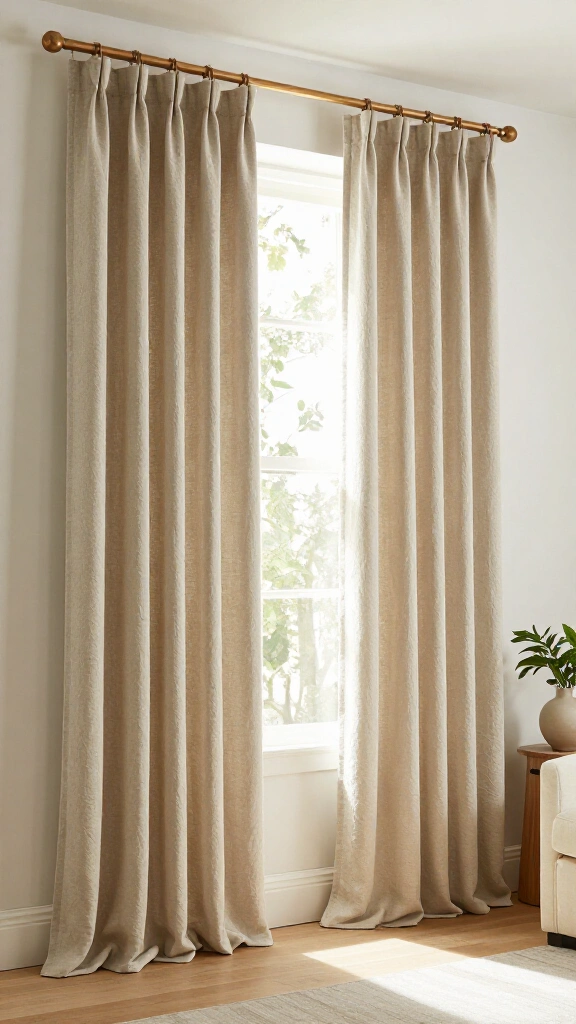
Pinch pleats give drapery a structured finish that suits both formal and relaxed rooms. You can buy ready-made pleated panels or use curtain hooks and pleating tape to customize suitable fabric. Choose panels with enough width to retain their folds when you close them.
13. Add frosted window film

Frosted film gives you privacy while allowing daylight through, which makes it useful for bathroom windows or windows close to a neighbor’s home. Clean the glass thoroughly and follow the product instructions for a smoother application. Before buying, check the manufacturer’s guidance to make sure the film suits your window glass.
14. Paint the window trim a contrasting color

Paint the trim a contrasting shade to give plain windows more definition. Charcoal, deep green, and warm taupe can frame the view without overwhelming the room. Prep the surface carefully, protect the glass with painter’s tape, and choose a finish that suits the trim and your cleaning needs.
15. Keep things calm with tonal layers
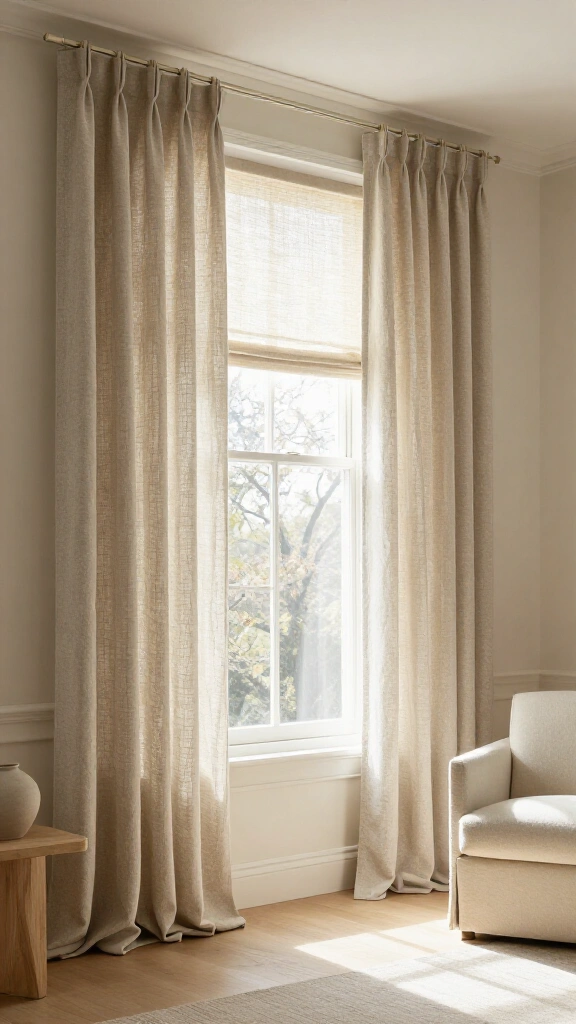
Choose related colors for curtains, walls, and shades to create a quiet, cohesive look. Creamy walls, oatmeal linen curtains, and a pale woven shade offer plenty of interest through texture. This approach works well when you want the view or a favorite piece of furniture to draw the eye.
16. Style the sill with plants

A few plants can bring life to a bare window without blocking the light. Choose plants that suit the amount of sun the window receives, and place a saucer under each pot to protect the sill. Mix leaf shapes and pot heights, but give each plant room to breathe.
17. Add a fabric valance

A simple valance can soften the top of a window and conceal a shade’s headrail. Choose a tailored shape for a contemporary room or a relaxed gathered style for a cottage feel. Pay attention to the depth: A very deep valance can cover more glass than you intend.
18. Choose inside-mount roller shades
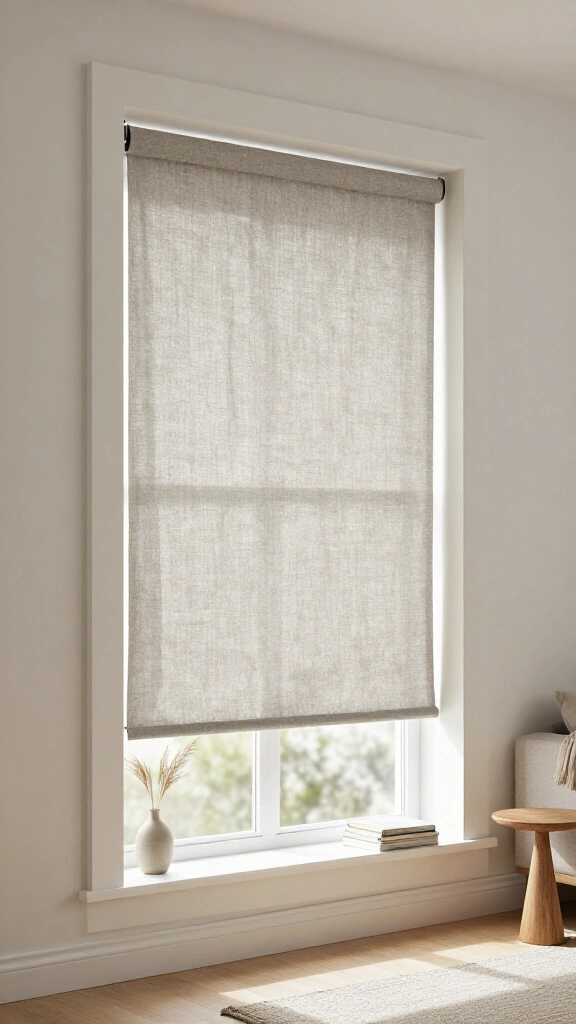
Inside-mount roller shades create a clean profile and leave attractive window trim visible. They suit contemporary rooms, understated decorating schemes, and anyone who prefers less fabric. Measure the recess carefully and check the product’s minimum mounting-depth requirement before you order.
19. Layer a roller shade with curtains

Combine a discreet roller shade with decorative side panels for a polished look and everyday privacy. The shade handles the practical work, while the curtains add color and softness. This combination can work especially well in small living room decor, where streamlined layers help limit visual clutter.
20. Dress up the window with tiebacks

Tiebacks pull curtain panels away from the glass and add a small decorative detail. Try simple fabric bands for a tailored look, leather loops for a modern edge, or rope for a relaxed coastal feel. Position them at a comfortable height, then check that both sides create a balanced shape.
21. Bring in stained-glass color
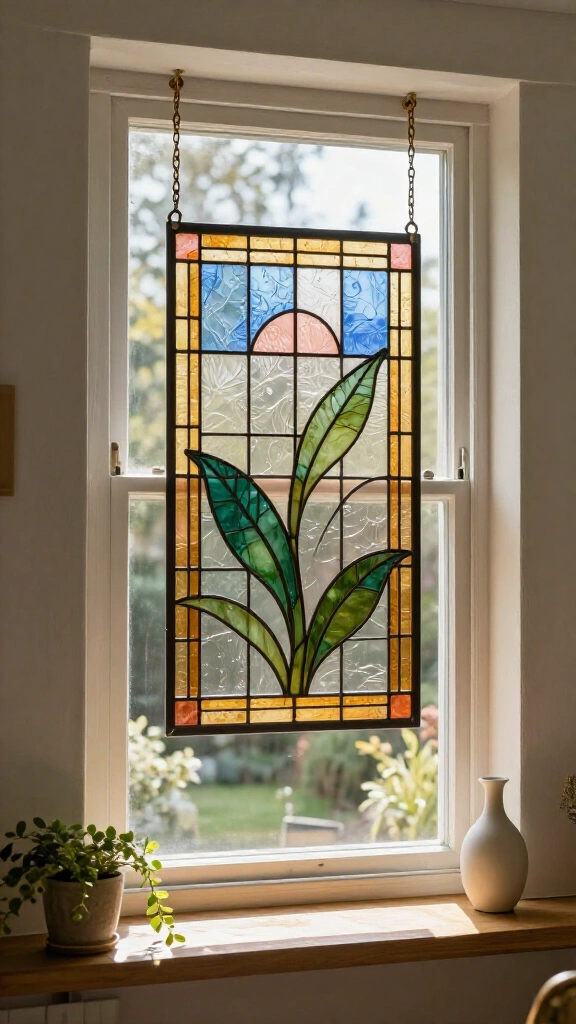
A small stained-glass panel or translucent window decoration can scatter color and give a sunny spot some character. Hang it from hardware that suits its weight rather than relying on an untested suction cup. If you prefer a temporary option, decorative film can create a similar colorful effect without adding glass.
22. Use matching treatments across one wall

Matching treatments can give a wall of windows a calm, deliberate look. Where the architecture allows, align rods or shade tops, even if the windows differ slightly in size. Consistent fabric and hardware help tie the windows together.
23. Hang a single wide curtain panel
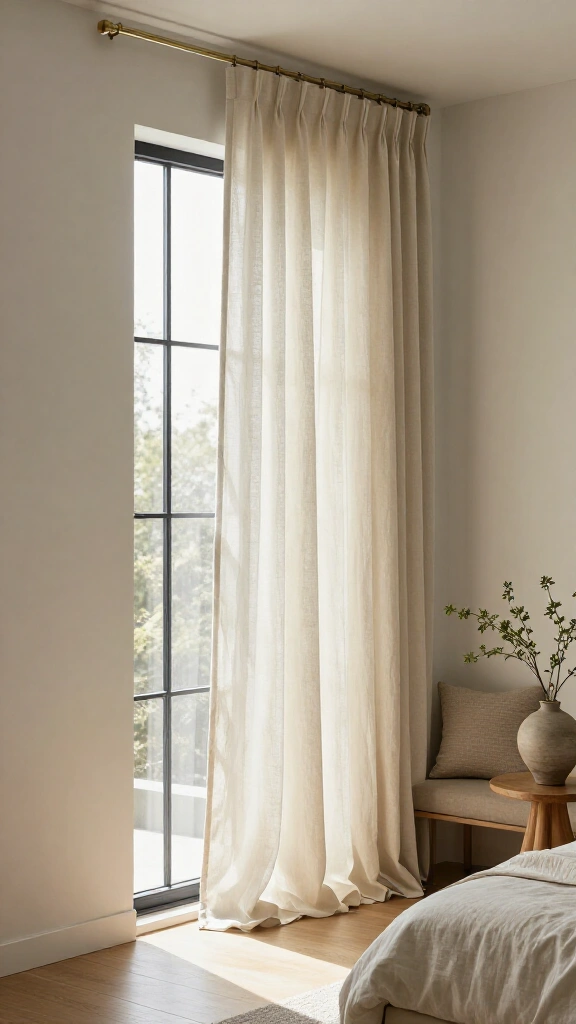
One generous panel can work well beside a narrow window or a door with limited wall space on one side. Pull it toward the open side to keep the glass accessible and create a relaxed asymmetrical look. Make sure the panel has enough width to cover the opening when you need privacy.
24. Add cellular shades for practical comfort

Cellular shades have pockets that can help reduce heat transfer through windows, depending on the product and installation. They look tidy on their own or beneath curtains. The U.S. Department of Energy’s guide to energy-efficient window coverings explains how different options can affect comfort and energy use.
25. Make a rental-friendly curtain setup
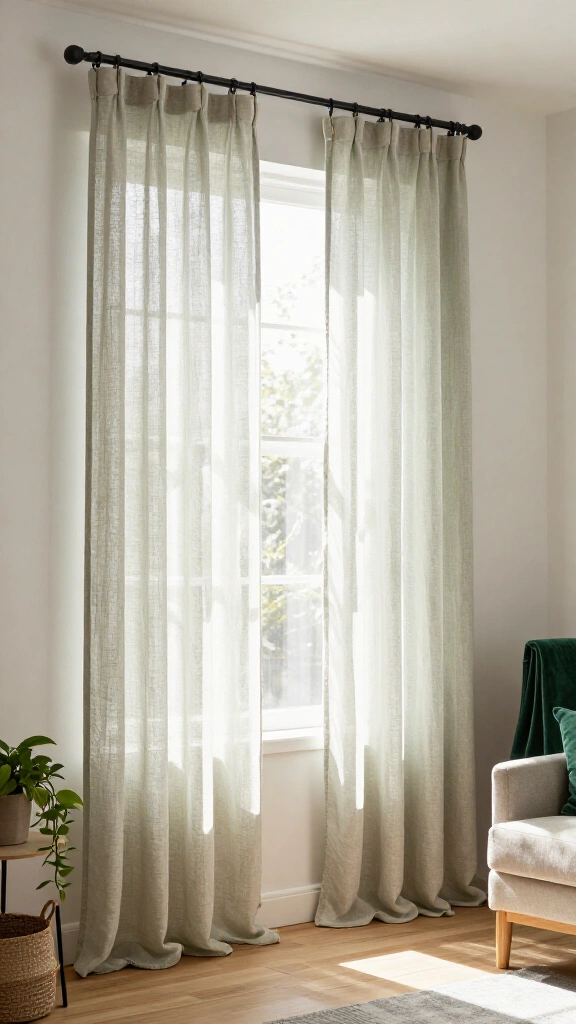
Renters can try tension rods or removable hardware when their window shape and lease allow it. Choose lightweight curtains, follow the hardware’s weight limits, and test removable products on an inconspicuous area first. A secure fit matters more than coaxing a heavy velvet panel onto a rod that cannot support it.
26. Choose safer window covering controls
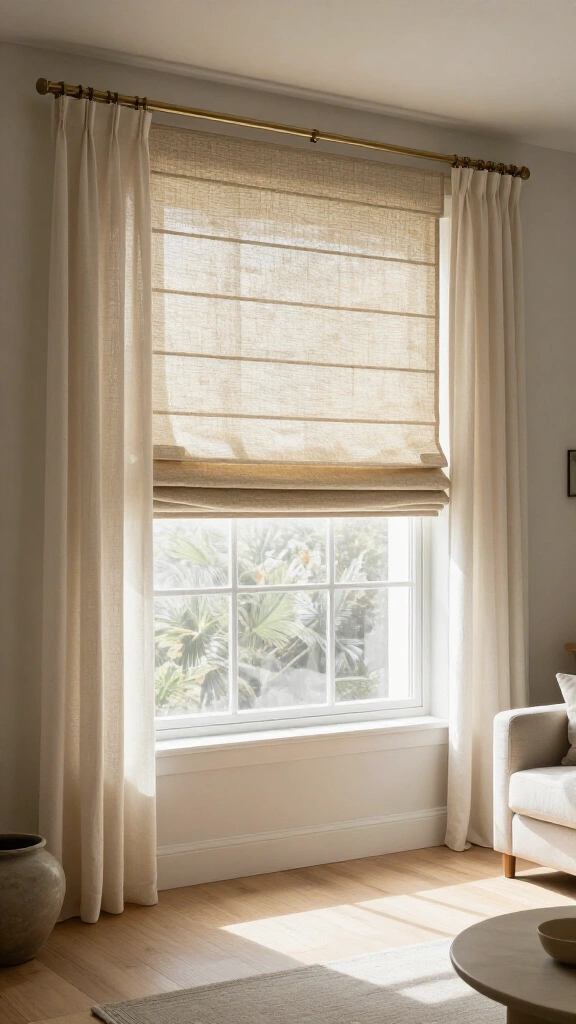
Window coverings should suit the people who use the room. If young children live in or visit your home, choose cordless coverings or products with inaccessible cords, and keep furniture away from windows. The U.S. Consumer Product Safety Commission’s window covering guidance explains the hazards that cords can pose.
27. Finish with a thoughtful windowsill vignette

Give the sill a finished look with a small group of objects you enjoy. Try a vase, a framed photo, and a sculptural accent, and vary their heights so the arrangement feels natural. Leave enough open space to operate the window and clean the glass without moving everything each time.
Give your windows the finishing touch
Good window decor balances style, light control, privacy, and everyday practicality. Start with one upgrade that meets a real need, then bring in texture or personality through fabric, hardware, or a simple sill display.
You do not need every idea on this list to make a room feel complete. Pick the combination that suits your space, measure twice, and enjoy the difference your windows make.