How to Use a Renovation Budgeting Calculator to Prevent Mid-Project Cost Blowouts
A kitchen remodel estimate is a work of fiction. No matter how meticulously you or your general contractor price out the cabinets, the quartz countertops, and the plumbing fixtures, the final bill will always be higher than the initial quote. Home renovations are chaotic physical processes. When you tear open walls that have been sealed for forty years, you expose hidden water damage, outdated electrical wiring, and unlevel floor joists. If you do not build mathematical shock absorbers into your budget before demolition day, the project will stall out halfway through.
My Hands-On Experience with Budget Blowouts
In the spring of 2024, I was managing a massive open-concept renovation (similar to the layout challenges discussed in our 60-30-10 Color Rule guide). The clients had a hard budget of $80,000. They wanted to spend exactly $79,500 on premium finishes, leaving almost nothing for emergencies. During the first week of demolition, we discovered that a slow leak from the master shower upstairs had rotted the main load-bearing beam above the kitchen. The structural engineer and the framing repairs cost $9,000. Because they hadn't held any cash in reserve, they had to cancel their custom cabinet order, downgrade to stock cabinets, and switch from hardwood to cheaper vinyl flooring just to finish the house. You have to respect the contingency fund.
The 20 Percent Contingency Rule
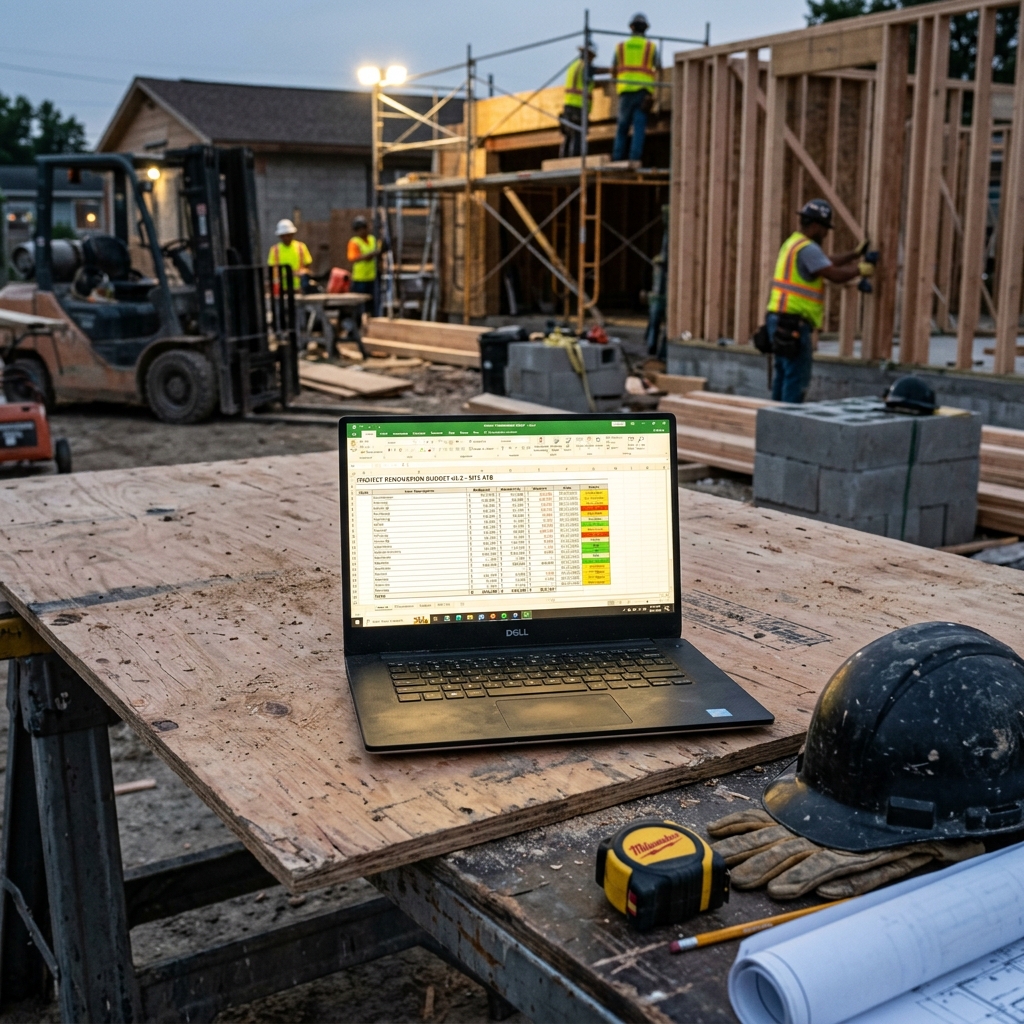
The absolute golden rule of remodeling is the 20 percent contingency fund. Take your total estimated project cost and multiply it by 1.20. If your contractor says the job will cost $50,000, you must have $60,000 sitting in the bank before you sign the contract. That extra $10,000 does not exist to buy a nicer stove. It exists to cover the inevitable asbestos testing, the rotted subfloors, and the sudden spikes in lumber prices.
The National Association of Home Builders (NAHB) regularly notes that building material supply chains are volatile. The price of a 2x4 stud can double in a month. Your contractor will include a 'cost escalation clause' in your contract, which legally forces you to pay the difference if raw materials spike. The contingency fund absorbs those hits.
Using a Digital Budgeting Calculator
Do not track a $100,000 remodel on a legal pad. You need to use a dynamic digital calculator. Our on-site renovation calculator is designed to force you to input the hidden costs you usually forget. When you enter the square footage for new flooring, the calculator automatically prompts you for the waste margin percentage, the transition moldings, and the underlayment costs.
A good calculator separates material costs from labor costs. Labor is usually the biggest variable. If a tile setter charges $8 a square foot, but you choose a complicated mosaic tile that requires extra time, that labor rate jumps to $12. The calculator lets you instantly adjust the labor variable to see how a complex design choice ripples through the entire budget.
Managing Allowances
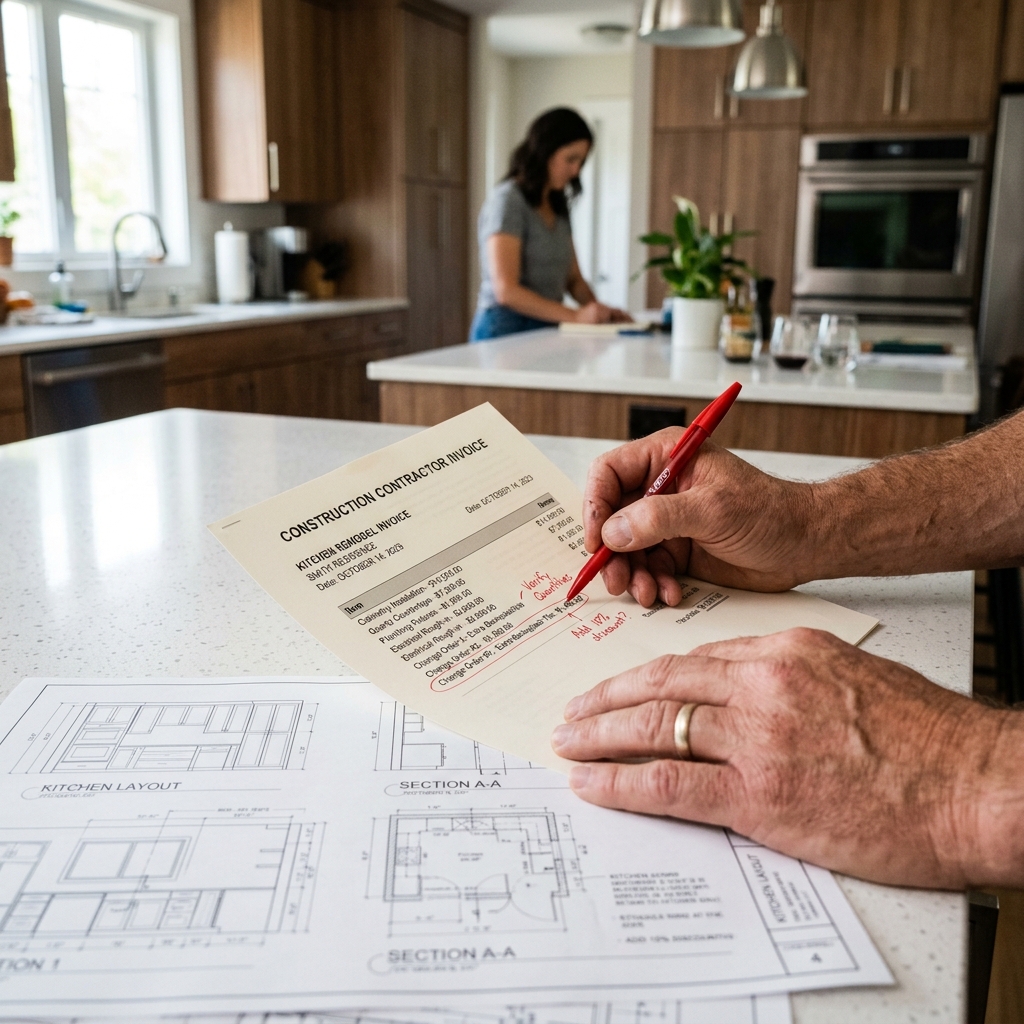
When you read a contractor's bid, pay close attention to the word 'Allowance.' A contractor might write 'Tile Allowance: $2,000.' That means they are only budgeting enough money for you to buy very basic, cheap tile. If you go to the showroom and fall in love with handmade Italian terra cotta, you will blow past that $2,000 allowance in ten minutes. You have to pay the difference out of pocket.
Use the calculator to research the actual retail cost of the finishes you want before you accept the contractor's allowance. If you know the specific luxury flooring you want costs $5,000, tell the contractor to adjust the bid so the allowance matches reality. Accurate math on the front end prevents arguments and financial panic on the back end.
Need to calculate measurements for your space?
Use our free, interactive Flooring Calculator to calculate dimensions, box requirements, or guidelines automatically.
Start Budgeting Now→