Home Renovation Budgeting: How to Prevent Cost Overruns
Renovating a home is an exciting journey, but it is notorious for budget overruns. It is common to hear of kitchen remodels or bathroom upgrades that ended up costing 30% to 50% more than the initial contractor estimate. These cost overruns are rarely due to contractor dishonesty. Rather, they are caused by 'scope creep' (adding design features during construction), shipping delays, permit fees, and hidden issues behind walls (such as outdated plumbing or electrical wiring). By establishing a structured budget framework, allocating a contingency fund, and understanding material-to-labor ratios, you can remodel your home without financial stress.
Home remodeling requires blending financial realism with creative design. If you make purchases without a clear allocation plan, you will likely run out of funds before the final fixtures are installed. In this comprehensive guide, we will analyze budget allocations, review industry remodeling benchmarks, outline steps to prevent overruns, and discuss contractor contracts.
Understanding Hidden Structural Costs
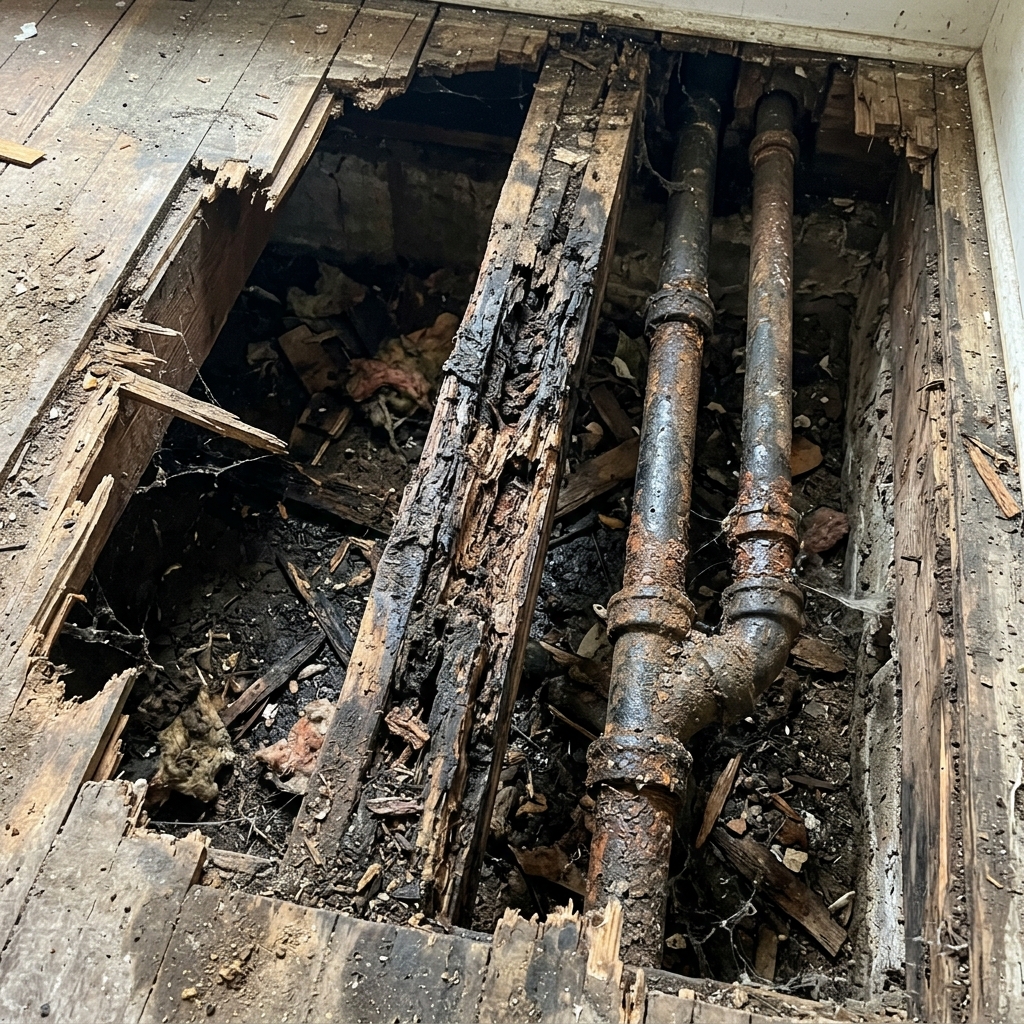
When you open up walls in an older home, you are likely to discover code violations or structural damage. Common hidden costs include outdated galvanized steel plumbing pipes that must be replaced with copper or PEX, knob-and-tube electrical wiring that represents a fire hazard, water damage or mold behind bathroom drywall, and structural floor joists that have rotted due to ancient leaks. If you spend your entire budget on premium quartz countertops and luxury appliances, you will not have the funds to fix these critical systems. Demolition is the only way to reveal these hidden issues, which is why having an untouched contingency fund is critical to the survival of your renovation project.
In addition to plumbing and electrical surprises, structural alterations require professional oversight. If you plan to remove a wall to create an open-concept living space, you must determine if the wall is load-bearing. Removing a bearing wall without installing a properly sized structural header beam causes the ceiling to sag and can lead to structural failure. Hiring a licensed structural engineer to run calculations and draft plans is essential. These engineering plans are required to obtain city building permits. Expect to allocate $1,000 to $2,500 for engineering fees and permit approvals, and incorporate this cost directly into your initial budget before starting construction.
Contingency Fund Management: The 15% Standard
A common budgeting mistake is treating the contingency fund as a discretionary buffer for luxury upgrades. For example, if you save $5,000 as a safety cushion and then decide to spend it on premium cabinets mid-project, you will have no backup if plumbing leaks are found behind the drywall. Curators of structural remodeling recommend placing your 15% to 20% contingency fund in a separate bank account. Do not reveal this fund to your general contractor during bidding; this ensures that initial estimates are built around your core budget. The contingency fund should only be tapped when a structural issue is uncovered that prevents code certification or safe completion of the project.
Allocating Your Renovation Funds
A professional contractor budget is typically divided into four main categories. Knowing these percentages helps you control spending:
- 50% - Materials & Finishes: Includes cabinets, countertops, flooring, tile, paint, light fixtures, and appliances. You can control this category by choosing between stock, semi-custom, or custom products.
- 35% - Labor & Construction: Includes payments for general contractors, carpenters, plumbers, electricians, and painters. Labor rates vary by region and complexity.
- 15% - Contingency Fund (Non-Negotiable): A safety buffer reserved exclusively for unexpected issues, such as dry rot, outdated wiring, or structural wall reinforcements.
- 5% - Permits, Design & Disposal: Covers city building permits, architectural fees, and trash dumpster rentals. Use our Renovation Budgeter to map out your costs.
Industry Remodeling Benchmarks
According to national remodeling benchmarks, a kitchen remodel should represent 10% to 15% of your home's total value, while a primary bathroom remodel should represent 5% to 10%. Spending more than these percentages makes it difficult to recover your investment when selling the property. Additionally, when hiring contractors, ensure they are licensed, bonded, and insured. Professional guidelines recommend obtaining three itemized bids in writing. Avoid contracts that request more than a 10% to 33% down payment; payments should be tied to construction milestones (e.g., framing complete, plumbing rough-in complete) to protect your funds.
Steps to Prevent Budget Overruns
Follow these financial planning steps before starting construction:
- Step 1: Define Your Scope: Write down exactly what is included in the remodel. Share this document with contractors to ensure accurate bids.
- Step 2: Calculate Square Footage: Measure the room dimensions to estimate material quantities (flooring, tile, paint) accurately.
- Step 3: Select Finishes Early: Choose your cabinets, tiles, and appliances before demolition begins. This locks in pricing and prevents shipping delays.
- Step 4: Lock in the Contingency: Separate your 15% contingency fund from the main budget. Do not spend it on premium upgrades.
- Step 5: Sign a Detailed Contract: Ensure the contract includes a change-order clause. Any change to the project scope must be priced and signed in writing.
The Importance of a Change Order Clause
A 'Change Order' is a written amendment to your original construction contract that details modifications to the project scope, cost, and timeline. Many disputes between homeowners and contractors arise from verbal agreements made during construction. For example, if a contractor suggests adding recessed lighting and you verbally agree, you may be surprised by a large bill at the end of the project. To prevent this, include a clause in your contract stating that no modifications to the project scope will be executed without a signed, written change order detailing the cost adjustment. This practice forces both parties to align on pricing before work is done, keeping your budget secure and the relationship professional.
Building Permits and HOA Guideline Approvals
Failing to secure building permits and HOA approvals is one of the most expensive mistakes a homeowner can make. Most structural modifications, major electrical rewiring, new plumbing runs, and external expansions (like building a deck or adding a fence) require official building permits from your local municipality. Doing work without a permit can result in heavy fines, stop-work orders, and can even force you to tear down completed walls to allow inspectors to verify wiring or plumbing behind the drywall. Furthermore, unpermitted work will create major issues when you try to sell the home, as buyers' home inspectors and appraisers will check public records. Similarly, if your property is part of a Homeowners Association (HOA), you must submit a detailed project request for review by the architectural committee. HOA approvals can take 30 to 60 days, and ignoring their rules regarding fencing materials, exterior paint colors, or deck sizes can result in legal actions forcing you to restore the property to its original state at your own expense.
Need to calculate measurements for your space?
Use our free, interactive Renovation Budgeter to calculate dimensions, box requirements, or guidelines automatically.
Plan Remodeling Budget→