You don’t need a designer’s budget or a weekend of backbreaking work to make your yard look good. A few small changes can make it feel welcoming and more like your own.
These budget-friendly yard decor ideas include thrifted planters, simple lighting, and plenty of ways to reuse what you have. Pick a couple that suit your space and give them a try.
1. Refresh your front door with paint

A new door color gives the front of your home a focal point without a full exterior makeover. Try deep green, warm terracotta, or classic black, then repeat the color on a nearby planter to tie the look together.
Choose paint that suits your door material and outdoor conditions. Clean and prep the surface first. Even the prettiest color can’t hide peeling paint for long.
2. Group mismatched pots together
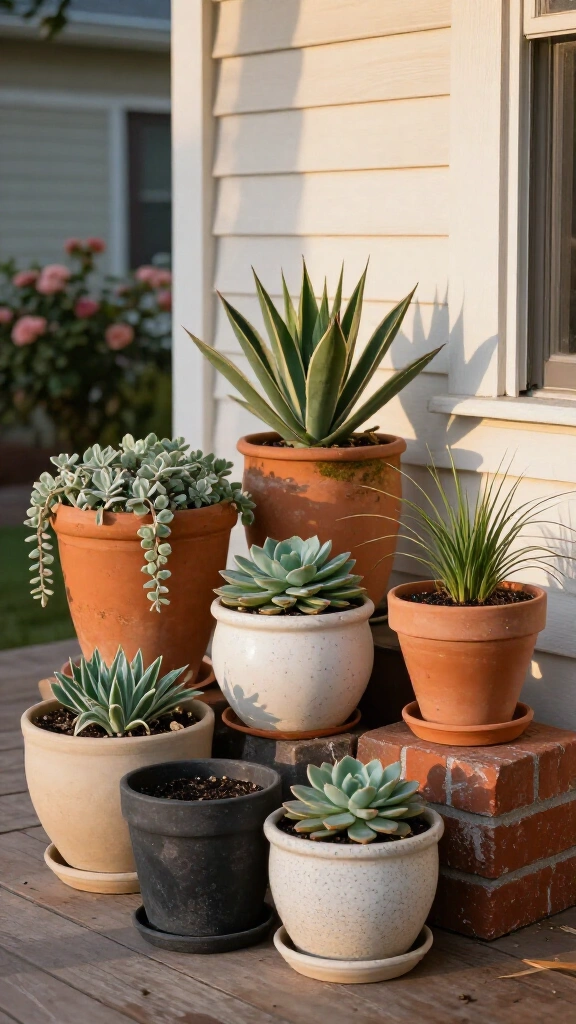
Gather spare pots, thrift store finds, and inexpensive nursery containers into one arrangement. Mix heights and stick with a shared color palette to help the different pots look good together.
Make sure each pot has drainage holes, and choose plants with similar sun and watering needs. You can use a brick or an upside-down empty pot to lift a smaller container into view.
3. Create a mulch border around garden beds

A neat mulch border gives flower beds a finished look and helps the soil retain moisture. Pick a natural color that complements your home, then spread an even layer around your plants.
Keep mulch away from tree trunks and plant stems so moisture doesn’t collect against the bark. Local tree services or municipal programs sometimes offer free or low-cost wood chips, so check with them before buying bags.
4. Hang outdoor string lights

String lights can turn a plain patio or fence line into a comfortable place to spend an evening. Choose warm white bulbs for a soft glow, and hang the strands in loose, simple lines instead of a tangled web.
Use lights and extension cords that carry an outdoor rating, and follow the manufacturer’s installation instructions. The Electrical Safety Foundation offers more electrical safety guidance for homeowners.
5. Give old furniture a new purpose
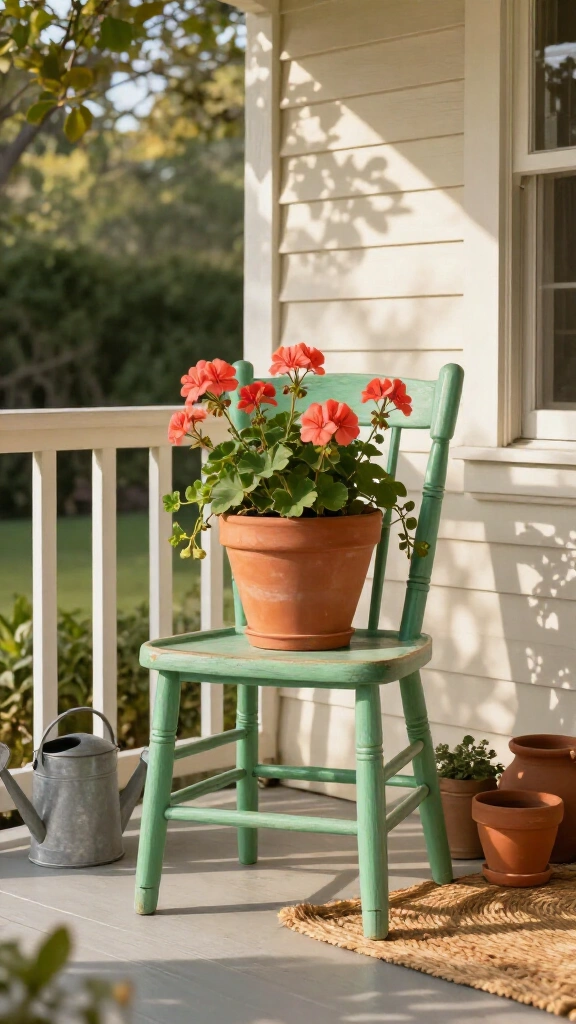
Before you put that tired wooden chair on the curb, consider using it as a plant stand. Give it exterior paint or a suitable outdoor finish, then set a colorful pot on the seat.
Check the piece for stability and sharp edges, especially if kids or pets use the yard. If the furniture can’t handle rain, keep it under a porch roof.
6. Add a simple gravel seating area

Give two chairs a spot of their own with a gravel surface and a neat border. This low-cost backyard idea creates a place to sit, even if the rest of the yard still needs work.
Remove weeds, level the ground, and choose edging that keeps the gravel in place. Check local drainage requirements before changing a larger area, and avoid directing runoff toward your home or a neighbor’s property.
7. Paint a few terracotta pots
Turn basic terracotta pots into a matching collection with paint that can handle outdoor conditions. Try stripes, one bold color, or a dipped effect. You don’t need much artistic skill for any of them.
Keep paint away from the drainage holes, and follow the product instructions for drying before you plant. Group three pots near a step or bench to finish the arrangement.
8. Frame your entry with planters
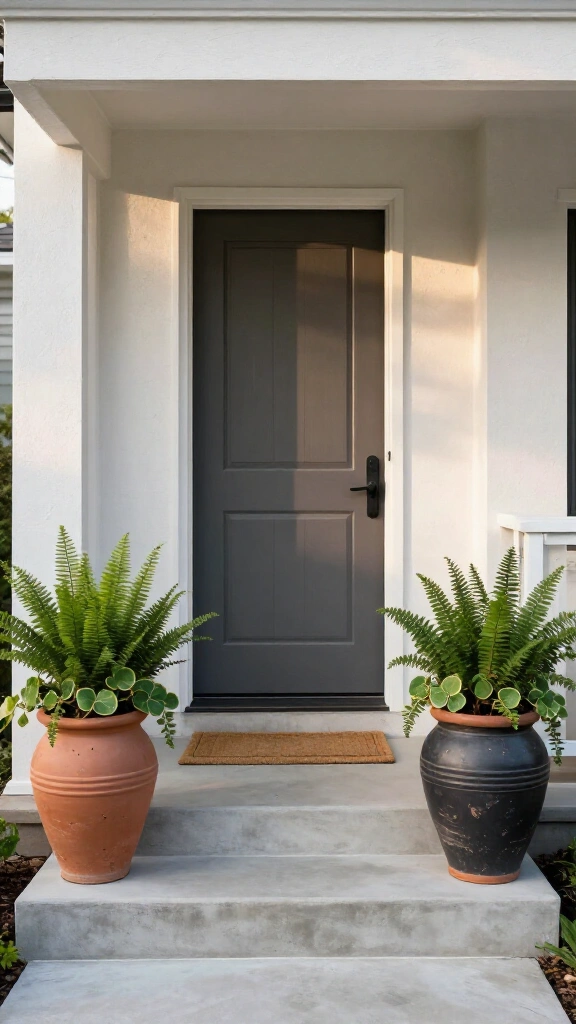
Place a planter on each side of your front steps or doorway to frame the entrance. Matching containers give you a classic look, but thrifted pots of similar size can create the same balance for less.
Choose plants that suit the light at your entrance, and leave enough room for people to walk safely. The matching arrangement gives the entry a tidy look without much fuss.
9. Make a stepping-stone path
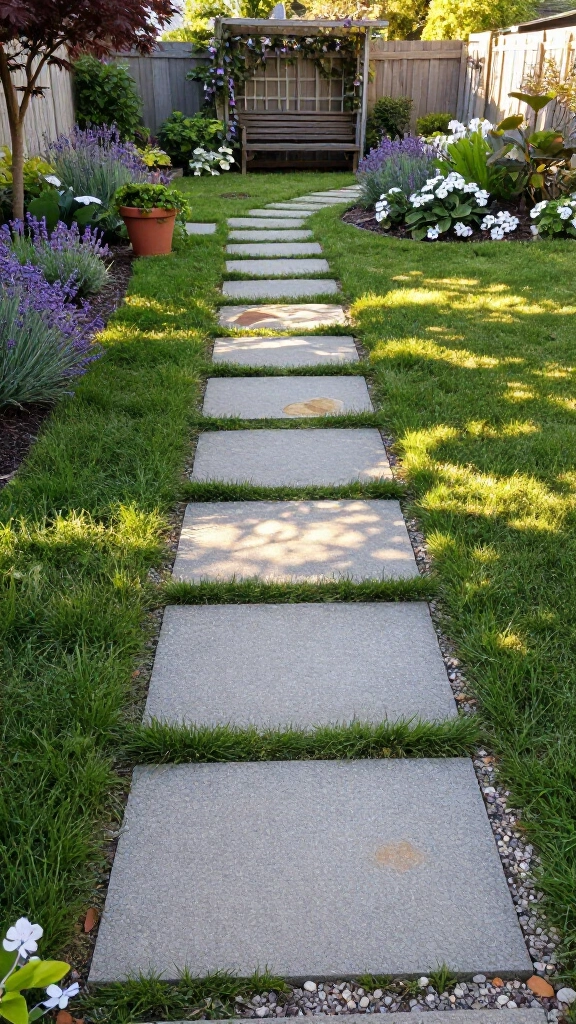
A short path gives a garden some structure and helps guests cross it without trampling the lawn. Look for inexpensive concrete pavers, or reuse intact stones you already own.
Set each stone firmly on a level base and leave enough space between stones for a comfortable stride. Avoid loose or wobbly pieces so nobody trips on the way through.
10. Grow a living privacy screen
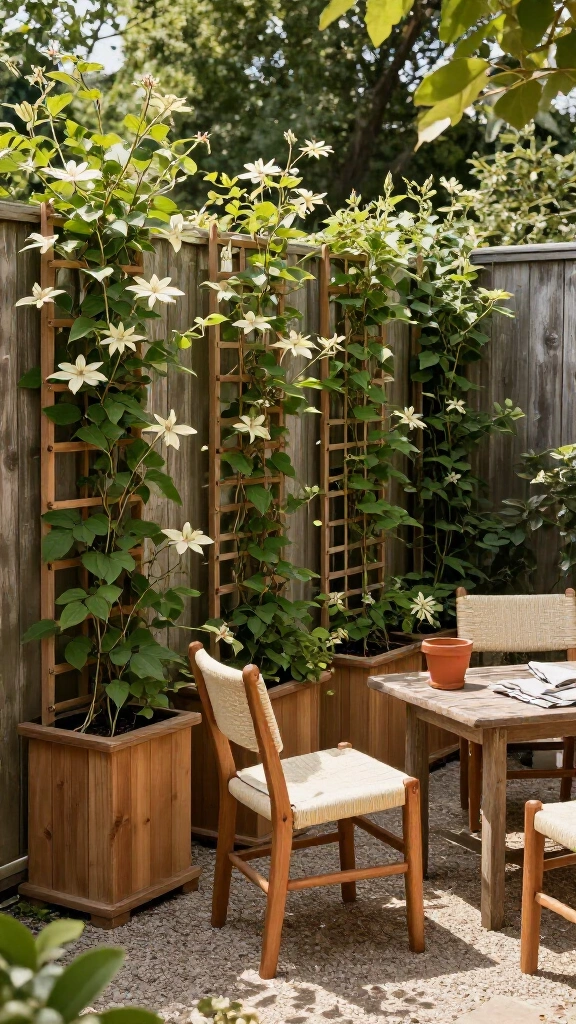
Use a row of tall planters or a simple trellis with climbing plants to make a seating area feel more private. Plants soften the space and add greenery without the expense of replacing a whole fence.
Choose noninvasive plants that suit your climate and available sunlight, and check how large they’ll grow before planting. Secure trellises and containers so the wind won’t knock them over.
11. Style a small outdoor table

A small table can give a porch or patio some of the comfort of an indoor room. Arrange a potted plant, a washable tray, and a lantern on top, with enough space left for your drink.
Look around your home before buying anything new. Bring delicate accessories inside when bad weather approaches, and choose outdoor-safe materials for anything you plan to leave out.
12. Install solar path lights

Solar stake lights can outline a walkway without extra wiring or electricity use. Space them evenly and aim for a gentle glow rather than a runway effect.
Place the solar panels where they’ll get the amount of sunlight the manufacturer recommends, and clean them occasionally. For important steps or entrances, use dependable lighting that gives people enough visibility after dark.
13. Plant a colorful container garden
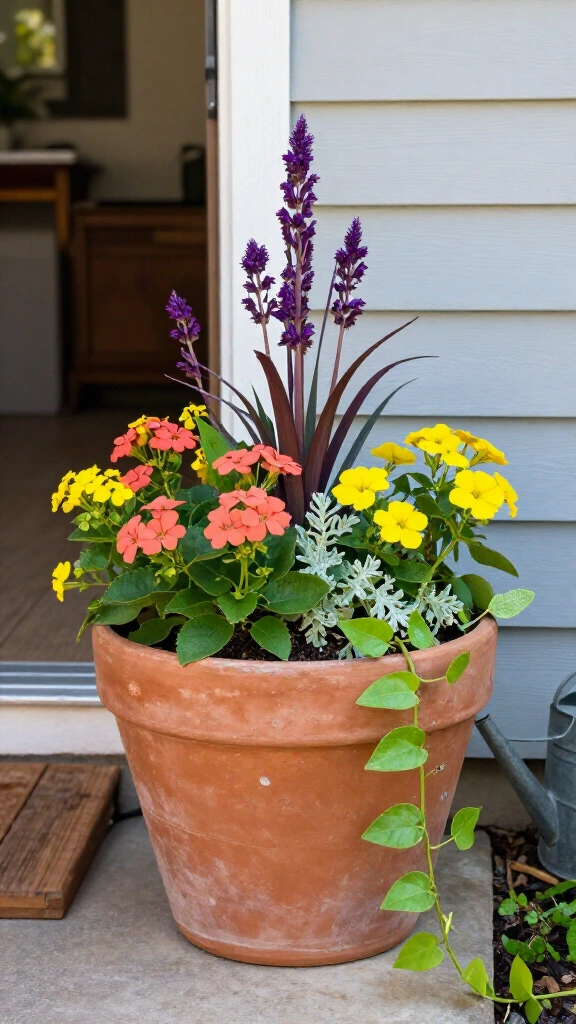
Choose a large container and combine plants with different heights, textures, and growth habits. A tall plant in the center, a few fuller plants, and a trailing variety can fill one compact spot with greenery and color.
Use potting mix suited to containers, and choose plants that will thrive in the available light. Check soil moisture regularly because pots can dry out faster than garden beds.
14. Refresh your house numbers

New house numbers can make a noticeable difference to the front of your home. Choose a simple style that complements the exterior, and make sure visitors can read the numbers from the street.
For a less expensive option, clean and repaint your existing numbers if they’re still sturdy. Use paint that suits their material, and check local address display requirements before changing their size or location.
15. Use native plants for easy character

Native plants can give your yard a natural, layered look while supporting local wildlife. Start with a small bed or a few containers, and choose species that naturally suit your region and the conditions in your yard.
Ask a local native plant nursery or extension office about sunlight, soil, and mature plant size. The EPA’s WaterSense landscaping tips also explain how careful plant choices can reduce outdoor water needs.
16. Add a bench with personality

A simple bench gives your eye a place to rest and gives you a seat where you can enjoy your handiwork. Look for a secondhand bench, then give it a fresh coat of exterior paint or a weather-resistant cushion.
Place the bench beneath a tree, beside a flower bed, or near the front door. Check the legs and joints before you sit so the bench can hold your weight safely.
17. Turn a fence into a vertical garden

Hang a row of lightweight planters on a plain fence and fill them with herbs or colorful flowers. Use the same style of container for a tidy look, or paint mismatched containers one color.
Use outdoor-rated hardware that can support the full weight of wet soil and plants. Check with your landlord or neighbor before you attach anything to a shared fence or one on a rental property.
18. Define garden edges with reclaimed bricks
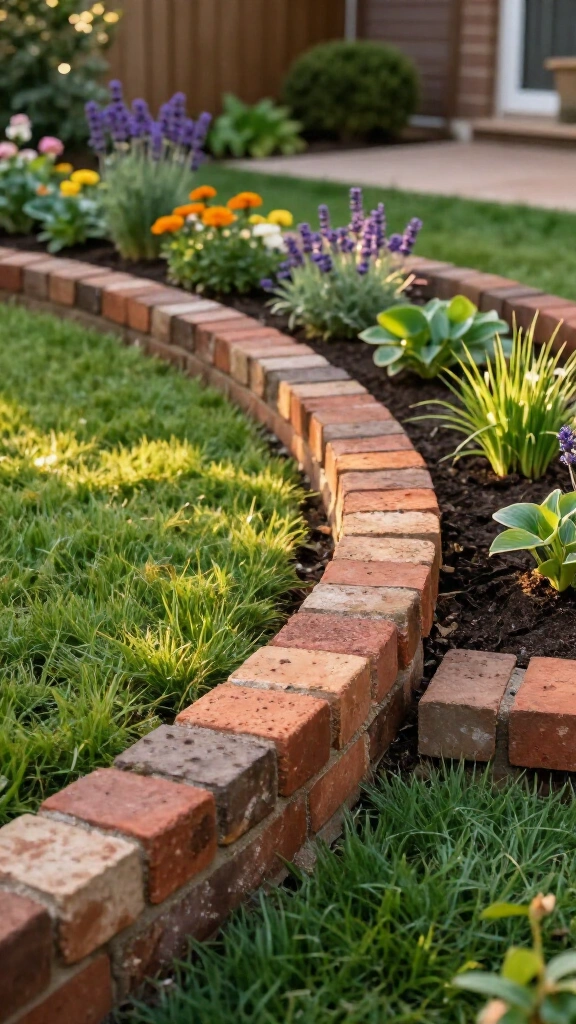
Old bricks can make a charming border between a lawn and a flower bed. Lay them flat for a subtle edge, or set them upright if you want a more visible border.
Use intact bricks and set them securely in the soil so they don’t shift underfoot. An even edge can make a modest planting area look much tidier.
19. Layer an outdoor rug under your seating
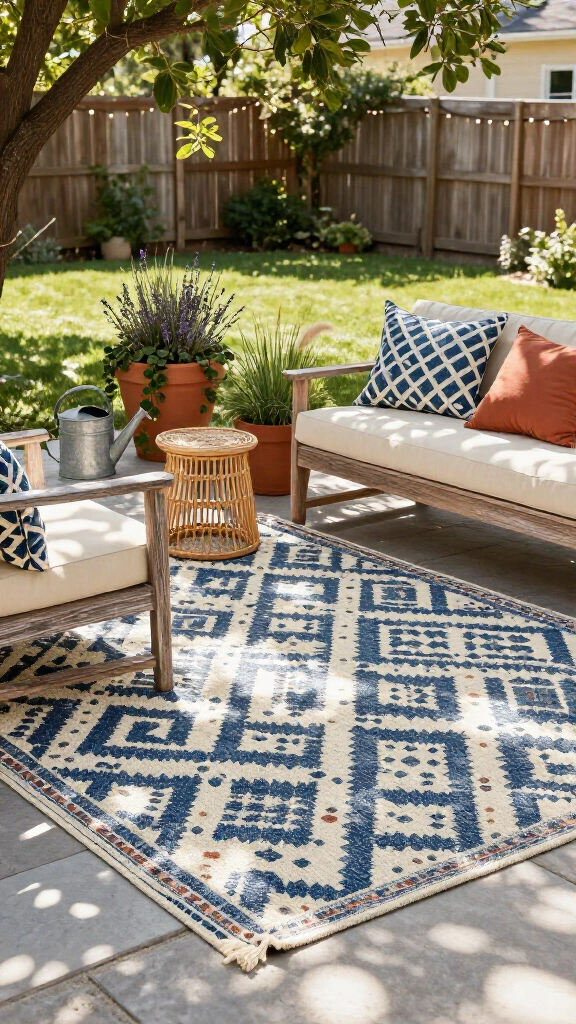
An outdoor rug brings a group of chairs together and makes a patio feel more like a room. Choose a pattern that echoes your planters or cushions, and measure the space before you shop for a sale or secondhand find.
Pick a rug made for outdoor conditions and follow its care instructions. Let the surface underneath dry regularly to help prevent trapped moisture and staining.
20. Create a welcoming front porch corner

Put a chair, a small side table, and a leafy planter in an unused porch corner to make it feel inviting. Keep the colors simple so the arrangement feels calm rather than crowded.
Leave a clear route to the door, and secure lightweight accessories against the wind. Once you have a comfortable seat, you can take a break and enjoy the yard instead of looking for another chore.
21. Hang a seasonal wreath

A wreath brings color and texture to your entry without taking up floor space. Make one with a reusable frame and inexpensive seasonal greenery, or give a thrifted wreath a fresh ribbon.
For a winter refresh, pair your wreath with ideas from these classy outdoor Christmas decorations. Keep natural materials away from open flames, and replace them when they dry out.
22. Add a simple water bowl for birds

A shallow birdbath or sturdy water dish can bring birds into your garden. Put it somewhere you can watch them, but give them a clear view so they can spot approaching pets.
Refresh the water and scrub the dish regularly. The CDC recommends emptying and scrubbing outdoor water containers weekly to help prevent mosquitoes from laying eggs.
23. Build a small herb display

Arrange pots of rosemary, thyme, or other favorite herbs near a sunny door. They’ll look good there, and you can snip a little for dinner. Add matching labels or simple markers to give the collection a tidy finish.
Check each herb’s light and water needs before grouping the pots. Keep culinary plants away from areas where pets or lawn treatments could contaminate the leaves.
24. Disguise utility areas with a screen

A freestanding lattice panel or row of attractive planters can draw attention away from bins and other necessities. Paint the screen to match your fence or exterior trim so it fits in with its surroundings.
Keep the area accessible for collection and maintenance, and give any equipment the clearance its manufacturer requires. Never block vents or enclose utility equipment without checking the relevant safety guidance.
25. Repeat one accent color
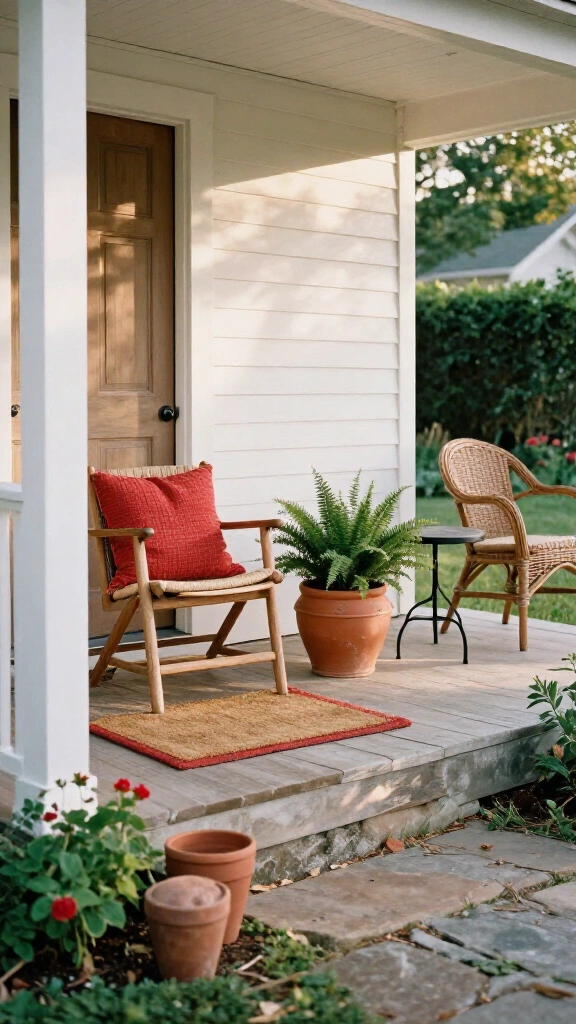
You don’t have to buy a matching set of everything to give your yard a cohesive look. Repeat one accent color in three places, such as a cushion, a planter, and a door mat.
Choose a color from your home’s exterior or the surrounding flowers to make the scheme feel natural. This trick works especially well when you’ve collected your furniture and pots from different places.
26. Make a garden focal point with a salvaged find

A vintage watering can, sturdy metal bucket, or decorative wheel can give a garden bed some character. Pick one piece you love and surround it with plants to keep the display from looking cluttered.
Remove sharp edges and check old finishes before handling or repurposing an object. If you turn a container into a planter, provide drainage and choose materials that can handle outdoor exposure.
27. Decorate with flexible seasonal accents

Keep your main furniture and planters neutral, then swap smaller accents as the seasons change. A few pumpkins, weather-resistant ribbons, or warm lights can refresh the yard without a complete redesign.
For more festive inspiration, explore these farmhouse outdoor Christmas decor ideas. Store reusable pieces in a dry spot so you can enjoy them again next year.
Make your yard feel like home
The best yard decor ideas on a budget start with what you already have. A consistent color palette, tidy edges, practical lighting, and a few healthy plants can make a space feel welcoming without a major renovation.
Start with one corner and finish it before you tackle the next project. Take some time to enjoy it, too. Your yard doesn’t need to look perfect; it just needs to feel like a place where you want to spend time.