A small room can look polished without a big budget. A few well-chosen changes can make it feel brighter and calmer, and give it a more expensive look for less.
These low budget room decor ideas use affordable materials and make the most of the space you have. Pick what suits your room, and skip anything that takes up space without earning its keep.
1. Hang curtains higher and wider

Mount your curtain rod several inches above the window frame, and extend it past the sides if you have room. The higher rod draws the eye upward, while panels that sit beside the glass let in more daylight. Choose simple, full-length curtains that skim the floor for a neat finish.
Measure before shopping, especially if radiators, sloping ceilings, or rental rules limit where you can hang the rod. A quick steam can make affordable ready-made panels look much neater.
2. Choose a calm, limited color palette

Choose two or three main colors instead of putting a different shade on every surface. Try warm white, soft taupe, and dark brown, or pair pale gray with muted blue and natural wood. Repeat those colors in textiles and accessories to tie the room together.
You can still use bold color. Pick an accent for a cushion, a piece of art, or a lamp, and let the quieter shades fill out the room.
3. Add a large secondhand mirror

A large mirror can reflect light and give a compact room a sense of depth. Look for a simple frame at thrift stores, estate sales, or in resale listings. Hang it where it reflects a window or a corner you like, rather than a cluttered shelf. Whatever the mirror faces, you’ll see more of it.
Safety tip: Choose hardware that suits the mirror’s weight and your wall material. If you lean the mirror against a wall, secure it with an appropriate anti-tip restraint.
4. Upgrade lampshades instead of lamps

A new shade can make an old lamp look much more polished. Try a neutral linen-look drum shade or a softly pleated one, and check that the fitting matches your lamp before you buy. Follow the manufacturer’s guidance for the space between the shade, bulb, and fixture.
Warm-toned bulbs can make the room feel cozy in the evening. If you like a warm glow, choose an LED bulb with a color temperature around 2700K to 3000K.
5. Create oversized art on a budget

One large artwork often gives a small room a cleaner focal point than several tiny pieces. Put an inexpensive poster, a favorite photograph, or your own abstract painting in a thrifted frame. You can also download public-domain art from institutions such as the National Gallery of Art’s open access collection. Check the image details and usage terms before printing.
Leave some breathing room around the frame. The art will have more impact if you give it a little wall space of its own.
6. Swap tiny rugs for one larger rug

A larger rug can pull the furniture together and give a small room a more settled layout. In a living area, try to place at least the front legs of your main seating on the rug, if space allows. Measure your furniture arrangement first, then compare washable, flatweave, and secondhand rugs.
A rug pad can add grip and cushioning. Choose one that suits your flooring. A simple pattern or subtle texture will also hide everyday wear better than pristine white.
7. Style a tray to tame visual clutter

Gather your remote, candle, and a favorite small object on a tray instead of scattering them across the coffee table. The tray gives those everyday items a place to belong. A thrifted wooden tray, shallow basket, or sturdy decorative plate can all do the job.
Leave some empty space on the table, too. A little breathing room lets you notice the pieces you chose to put out.
8. Give old furniture a fresh coat of paint
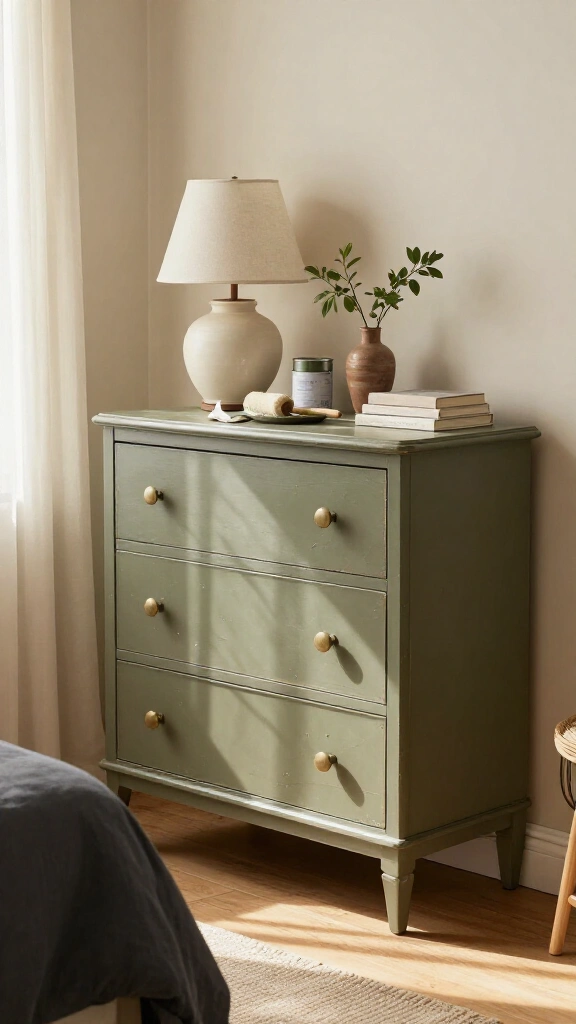
Paint can give a scratched bedside table or dated dresser a new look for much less than the cost of a replacement. Clean the surface, make any necessary repairs, and pick a primer and paint that suit the material. Muted olive, warm cream, or deep charcoal can give a basic piece a custom feel.
Work in a well-ventilated area and follow the product safety instructions. If you suspect an older painted item contains lead, consult the U.S. Environmental Protection Agency’s lead safety guidance before sanding or disturbing the finish.
9. Replace basic drawer pulls

New hardware can quickly change the look of a plain dresser, nightstand, or cabinet. Choose simple brass-tone pulls, matte black knobs, or wood handles that suit the room. Before ordering pulls, measure the distance between the existing screw holes so you can avoid drilling new ones.
If your budget is tight, replace the hardware on the most visible piece first. Keep the original screws if you plan to reuse them.
10. Layer your bedding like a boutique hotel

Start with clean sheets that fit well. Add a duvet or coverlet, then fold a throw across the foot of the bed. Mix two or three complementary textures, such as cotton, waffle weave, and soft knit, to give the bed depth without piling on pillows. The layers can make an affordable bedroom feel comfortable and pulled together.
For more bedroom inspiration, browse these guest room decor ideas and borrow any touches that fit your daily routine.
11. Add plug-in wall lights

Plug-in sconces free up space on a nightstand or desk and give the room a tidy look. Place a pair on either side of the bed, or put one beside a reading chair. Check the cord length and outlet placement before buying, and follow the manufacturer’s mounting instructions.
Use paintable cord covers where appropriate to keep cords tidy, but never run an extension cord under a rug. The U.S. Fire Administration’s electrical safety guidance offers advice on safer use.
12. Use matching baskets for open storage

Baskets can hide the little things you reach for every day and make open shelves look less busy. Use matching or coordinating baskets for chargers, notebooks, toiletries, or craft supplies. Measure the shelf depth and height before shopping, and choose baskets with handles if you expect to pull them out often.
You don’t need to buy an expensive set. Baskets in similar colors and materials can look good together even if you buy them separately.
13. Hang shelves above existing furniture

Put the wall space above a desk, dresser, or sofa to work without giving up floor space. One or two slim shelves can hold books, framed art, and a small plant. Leave enough clearance above the furniture so the arrangement doesn’t feel cramped and nobody bumps their head.
Choose installation hardware that suits the wall and the weight you expect the shelves to hold. Follow the manufacturer’s weight limits, and keep heavy objects low and away from sleeping areas.
14. Make a simple DIY headboard

A headboard gives a small bedroom a focal point, and you can make one without an elaborate upholstered design. Paint a rectangle behind the bed, hang a lightweight textile, or attach a padded panel to a suitable wall. Make it close to the width of the bed for a balanced look.
If you rent, try a freestanding option or check your lease before painting. Secure any decor you mount on the wall, and avoid putting heavy objects directly above your pillow.
15. Introduce one oversized plant

One leafy plant can bring height, softness, and color to a room without crowding every surface. Choose a variety that suits the light your room gets, rather than the light you wish it had. Hide an inexpensive nursery pot inside a woven basket or a simple ceramic-look planter.
Before bringing a plant home, check whether it poses a risk to pets or children. Pet owners can start with the ASPCA’s plant database.
16. Frame your TV with thoughtful styling

A television doesn’t have to dominate a small living room. Put a low console beneath it and arrange a few books, a small vase, or a lamp nearby. Keep the arrangement simple, and leave the ventilation space the TV manufacturer recommends.
If your living room shares space with a kitchen, these open-layout decor ideas can help you carry colors and finishes across both areas.
17. Mix textures instead of buying more decor

If a neutral room feels flat, try adding texture before buying more accessories. Pair a smooth cotton cushion with a chunky knit throw, a woven basket, or a matte ceramic vase. Those contrasts give the room depth while keeping the colors calm.
Look around your home first. A throw from the sofa might work just as well on the bed, and you won’t have to buy a thing.
18. Paint one architectural accent

A little paint can draw attention to one part of a room without covering every wall. Try a narrow band behind a desk, an arch around a shelf, or a contrasting color inside a recessed nook. Use painter’s tape and a level for crisp edges, and test the color as the light changes throughout the day.
Choose a shade that ties in with your textiles or artwork. If you rent, ask your landlord about paint rules before you open the tin.
19. Choose furniture with visible legs

A chair, sofa, or side table with exposed legs lets you see more floor, which can make a compact room feel less crowded. You don’t need to replace furniture that’s still in good shape to get the effect. Instead, look for pieces with visible legs when you shop secondhand or need something new anyway.
If you need storage out of sight, balance the look with a solid piece elsewhere. A room still needs a place for things like the vacuum.
20. Display fresh or faux branches

A few tall branches can give a dresser or side table some height for very little money. Try leafy cuttings from your garden or reusable faux stems in a sturdy vase. Keep the arrangement in proportion to the furniture, and make sure it doesn’t block walkways or light switches.
For more ways to style what you already own, browse these budget-friendly vase decor ideas. A simple vessel often looks best when you give the stems room to spread out.
21. Make your bed or sofa the focal point

Give the eye one clear place to land instead of making every corner compete for attention. In a bedroom, center the bed where practical and repeat a bedding color in nearby art. In a living room, arrange seating around a rug, coffee table, or window view.
Keep other surfaces quieter so they don’t compete with the focal point. If you already own the pieces, this change costs nothing.
22. Use peel-and-stick accents carefully

Peel-and-stick wallpaper can bring pattern to a small nook, the back of a bookcase, or a single furniture panel. Start with a modest area to keep costs down and make installation easier. Clean the surface, measure twice, and buy enough material to allow for pattern matching and mistakes.
Check the product’s surface and removal guidance first, and test it in an inconspicuous spot. Even removable finishes can damage some paint or delicate surfaces.
23. Edit and rotate your accessories

Too many small objects can make a room feel busy, even if you love every one. Pick a few favorites for each surface, group them at different heights, and put the rest away for another season. A stack of books, a candle, and a small bowl can make a more appealing display than a dozen unrelated knickknacks.
Swap pieces around when the room starts to feel stale. You’ll get a fresh look without buying another object that needs dusting.
24. Finish with consistent details

Look around for small details that distract from the rest of the room. Mismatched hangers, tangled cords, and tired cushion covers can draw the eye away from your decorating work. Tidy the cords, choose coordinating covers, and repeat one or two finishes throughout the space, such as black metal or warm wood.
Everything doesn’t have to match perfectly. A little consistency can help your affordable decor look like a collection of things you chose with care.
Make your small room feel like you
The best low budget room decor ideas pair good proportions with details you genuinely enjoy. Start with a larger change, such as moving the curtains or rearranging the furniture, then add texture, lighting, and useful storage.
Take your time, shop secondhand, and measure before you spend. A small room can look expensive without an expensive price tag. Give it some thought, and leave enough space for real life.