Space Planning

Estimating Outdoor Decking and Fencing Materials: A Contractor's Guide

By Michael Chen, Organization SpecialistJune 13, 202611 min read

Building an outdoor deck or fence is an excellent way to expand your home's living space and increase property value. However, outdoor building projects are structurally demanding and require careful material planning. Wood and composite materials are expensive, and running out of lumber mid-project can halt work for days. Conversely, ordering too much lumber leads to costly waste. By understanding how board spans, expansion gaps, post spacing, and fastener ratios work, you can estimate materials like a seasoned contractor and keep your project on budget.

Outdoor construction projects are subject to high wind loads, soil shifts, and constant weather exposure. Using the wrong fasteners or incorrect spacing can lead to structural sagging or safety code violations. In this comprehensive guide, we will analyze how to calculate deck boards, explore structural building code standards, provide a fencing checklist, and walk through post installation.

Selecting Outdoor Lumber: PT Pine, Cedar, or Redwood

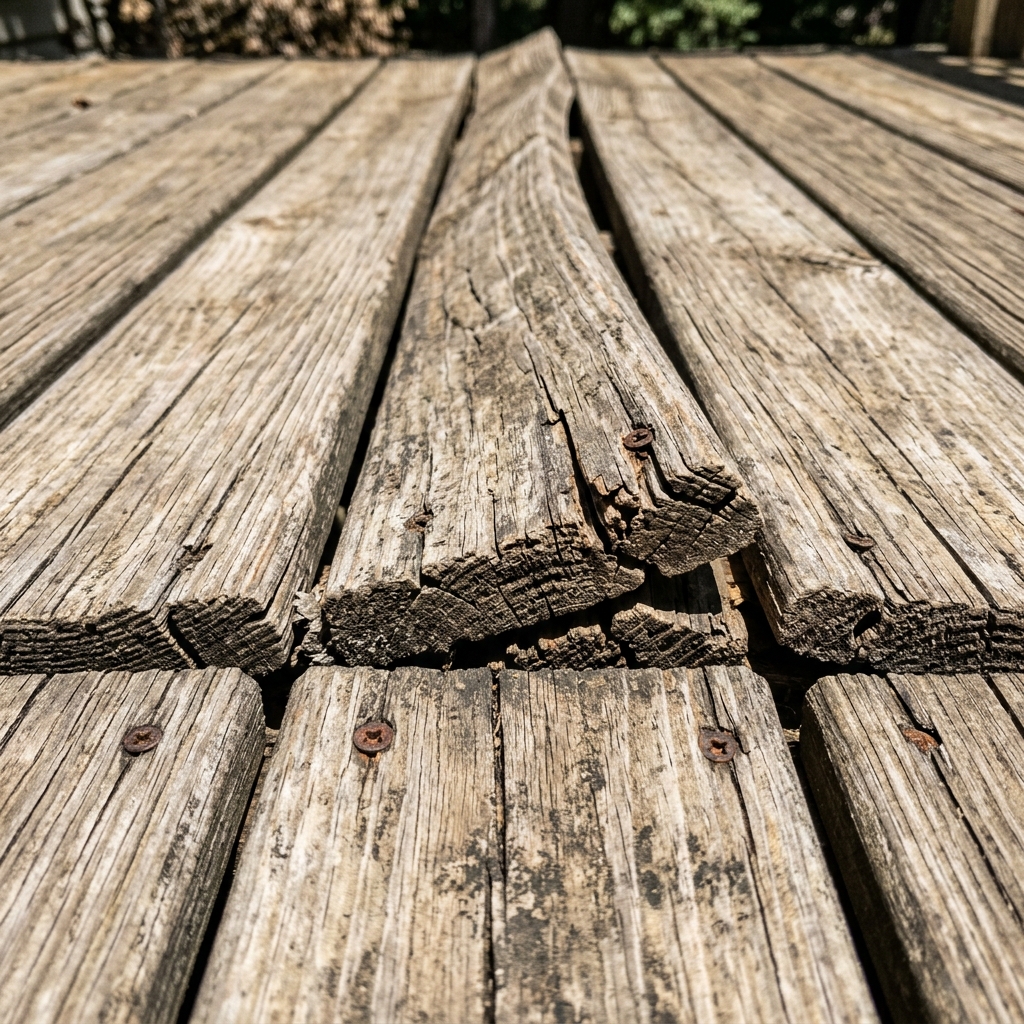
Choosing the correct wood species is crucial for the longevity of your outdoor structures. Pressure-treated (PT) pine is the most popular, budget-friendly option. It is chemically treated to resist rot, termites, and fungal decay, making it ideal for structural framing, joists, and buried posts. However, PT wood can split or warp as it dries. Western Red Cedar and Redwood are premium, naturally decay-resistant alternatives. They contain natural oils that repel bugs and water, and they remain flatter and straighter than pine. Because cedar and redwood are softer wood species, they are best suited for decking surfaces, rails, and fence pickets, while pressure-treated wood remains the industry standard for ground-contact structural posts.

Fastener Selection: Hot-Dipped Galvanized vs. Stainless Steel

Standard interior wood screws will rust and break when exposed to the elements. For decks and fences, you must use fasteners specifically rated for outdoor use. Pressure-treated lumber is infused with copper chemicals that cause standard steel to corrode rapidly. To prevent this, use hot-dipped galvanized (HDG) fasteners or ceramic-coated deck screws. For coastal environments or luxury builds using Ipe or Cedar, stainless steel screws are the best choice. Stainless steel does not corrode or react with natural wood acids, preventing black streaks from forming around screw holes, which maintains the beauty and structural integrity of the project.

When securing wood decking boards, you can choose between face-screwing and hidden fasteners. Face-screwing involves driving two deck screws through the top of each board into every joist. This is secure and cost-efficient, but it leaves visible screw heads. Hidden fasteners utilize clips that slide into grooves on the sides of the boards and secure directly to the joists, creating a clean screw-free deck surface. Additionally, apply joist tape (a butyl rubber flashing tape) along the tops of your deck joists before installing the boards. This tape acts as a barrier that prevents water from pooling in the wood seams and causing rot, doubling the life of your underlying deck framing.

Calculating Decking Boards and Gaps

When estimating decking boards, you must account for the face width of the board and the expansion gap. Wood decking boards expand and contract as moisture levels change. Composite boards expand and contract with temperature changes. To calculate deck boards:

  • Effective Board Width: Add the board width (standard is 5.5 inches for a 2x6) to the expansion gap (1/8 inch for wood, 1/4 inch for composite).
  • Determine Row Count: Convert your deck width to inches and divide by the effective board width. Round up to the nearest whole row.
  • Calculate Board Count: Divide the deck length by the stock board length (e.g. 12 ft or 16 ft) to find how many boards are needed per row. Multiply rows by boards per row, and add 10% for cutting waste. Use our Decking Calculator for speed.

IRC Building Codes & Safety Standards

The International Residential Code (IRC) regulates deck construction to ensure structural safety. According to IRC section R507, deck joist spacing must not exceed 16 inches on center for standard wood decking, and 12 inches on center for composite decking laid diagonally. Deck stairs must have a maximum riser height of 7.75 inches and a minimum tread run of 10 inches. For fences, post holes must be dug to a depth equal to one-third of the total post height, or below the local frost line (often 36 to 48 inches in northern climates) to prevent frost heave from pushing the posts out of the ground. Additionally, structural deck ledgers must be secured to the house frame using approved ledger screws or bolts; nailing a ledger board is strictly prohibited by building code.

Fencing Materials Checklist

Ensure you order all necessary structural elements for your fence project:

  • Fence Posts: Placed every 6 to 8 feet along the perimeter. Add 1 post for the end of the run, plus extra posts for gates.
  • Horizontal Rails: Standard fences require 2 rails (top and bottom) for heights up to 5 feet, and 3 rails (top, middle, bottom) for 6-foot privacy fences.
  • Vertical Pickets: Divide the total fence length in inches by the width of the picket plus the desired gap. (e.g. a 3.5" picket with a 1" gap requires a picket every 4.5").
  • Concrete Bags: Order 2 bags of quick-setting concrete (80lb each) for every fence post hole to secure them in the ground.

Selecting the Right Lumber and Hardware

Because decks and fences are exposed to soil moisture and rain, selecting the correct wood treatment and hardware is critical. For post holes and elements in contact with the ground, you must use pressure-treated lumber rated for 'Ground Contact'. Standard framing lumber will rot within a few years if buried. For decking boards and rails, 'Above Ground' rated pressure-treated wood, redwood, or cedar is suitable. Additionally, standard steel screws and nails will rust and react with the copper-based chemicals in pressure-treated wood. You must use hot-dipped galvanized or ceramic-coated deck screws to prevent structural degradation. By choosing code-compliant spacing and weather-resistant materials, you ensure your deck or fence remains a safe, attractive, and long-lasting asset to your home.

Soil Drainage and Frost Line Calculations

When setting posts in the ground, proper soil drainage is critical to prevent the wood from rotting at the base. Before pouring concrete, contractors recommend drilling post holes at least 6 inches deeper than the required frost line and backfilling the bottom with clean, crushed gravel or drainage stone. This gravel base allows groundwater to drain away from the bottom of the wood post rather than pooling around it. When pouring concrete, mold the top of the wet concrete above the soil line into a sloped dome shape. This dome sheds rainwater away from the wood-concrete joint, preventing water from seeping into the grain. Additionally, you can coat the underground portion of the wood posts with a liquid asphalt-based wood preservative to provide an extra barrier against subterranean moisture, termites, and fungal decay.

🪵

Need to calculate measurements for your space?

Use our free, interactive Decking Material Tool to calculate dimensions, box requirements, or guidelines automatically.

Calculate Outdoor Materials
← Back to all blog posts