You don’t need a designer’s budget to make a room feel considered. Pay attention to proportions, bring in some texture, and make room for details you love.
These interior decor ideas can help you refresh a living room, bedroom, kitchen, or that awkward corner you’ve never quite known what to do with.
1. Start with a cohesive color palette

Choose a main color, a supporting neutral, and one or two accents to give your home a sense of flow. Repeat those shades in paint, textiles, and accessories, but let each room have its own character. Soft olive pillows in the living room, for example, could connect with a bedroom throw or a kitchen vase in the same shade.
2. Layer your lighting
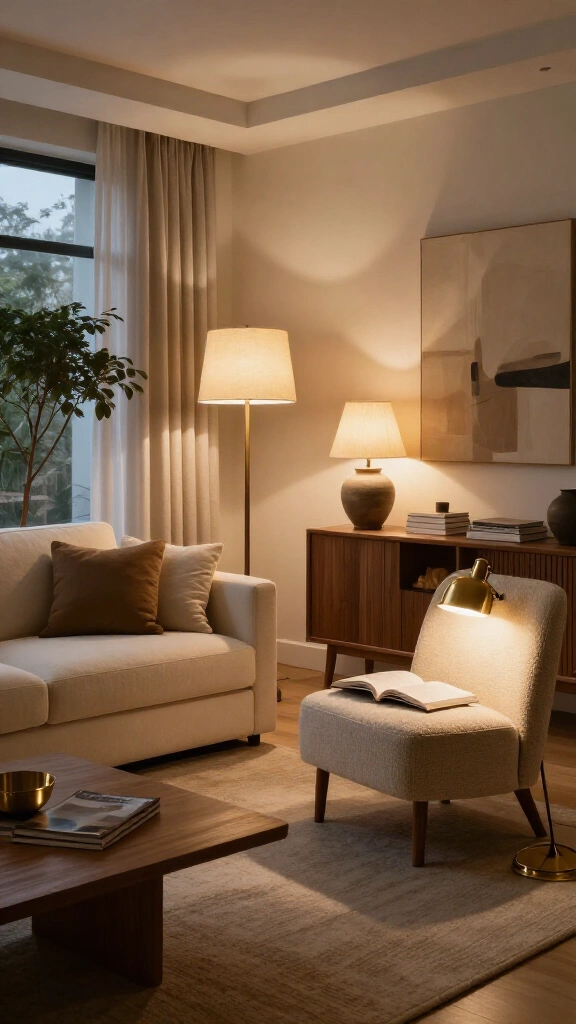
Combine ambient, task, and accent lighting rather than asking one ceiling fixture to do everything. Put a floor lamp beside the sofa, a reading light near your favorite chair, and a small lamp on a console. Warm-toned bulbs create a cozy atmosphere, but check the package for brightness before you buy.
3. Choose a rug that fits the furniture

A rug that barely reaches the coffee table can make a seating area feel disconnected. Measure the room before you shop, and aim to place at least the front legs of your main seating pieces on the rug. In a bedroom, choose a rug that extends beyond the sides of the bed so your feet land somewhere soft.
4. Hang curtains high and wide

Mount curtain rods above the window frame and, when wall space allows, extend them beyond both sides. This placement draws the eye upward and lets the open curtains reveal more glass. Choose panels that reach the floor, and measure from the rod to the floor before you order.
5. Give every room a focal point

Give your eye somewhere to land with a fireplace, a large piece of art, or a carefully made bed. Arrange the surrounding furniture to support that focal point rather than compete with it. If the room has no obvious architectural feature, create a focal point with a bold headboard or an oversized mirror.
6. Mix materials for depth
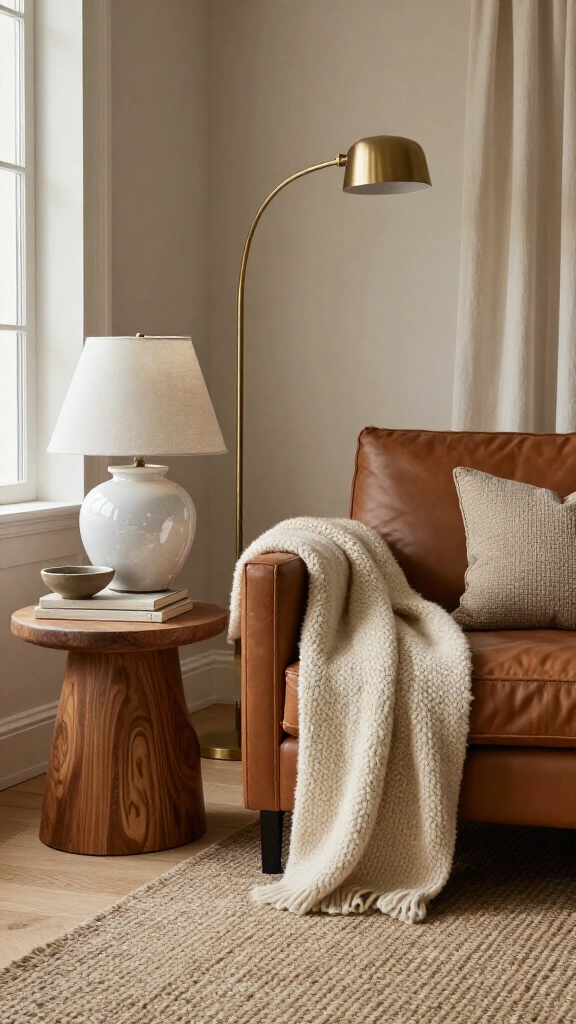
Pair smooth surfaces with tactile ones. Put a wool throw on a leather chair, for example, or set a ceramic lamp on a wood table. The contrast adds depth even in a neutral room. Texture does the heavy lifting when you want a quiet palette to hold your interest.
7. Style your coffee table in groups

Gather a few objects on a tray and vary their heights with a stack of books, a low bowl, and a vase. Leave enough open space for drinks and remotes, too. If tall branches block conversation across the table, swap them for something shorter.
8. Add a mirror where it helps

Place a mirror where it can reflect a window, artwork, or another pleasant view. It can bounce light around the room, though it won’t create more floor space or improve the sight of a laundry pile. Secure a heavy mirror with hardware that suits your wall and can support its weight.
9. Create breathing room around furniture
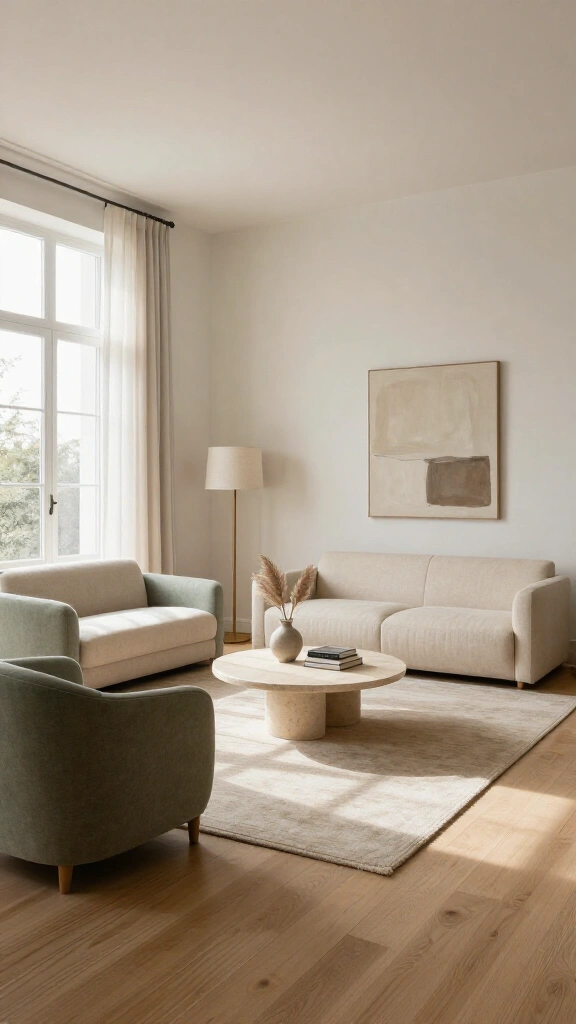
If the room allows, pull furniture away from the walls and keep everyday walking routes clear. You don’t have to fill every corner to make a room feel complete. Before buying another piece, try removing a small one and see how the floor plan feels.
10. Upgrade your throw pillows

Mix pillow sizes and textures instead of buying a matching set. Try a large solid pillow beside a smaller patterned one, then add a lumbar cushion in a coordinating shade. Removable covers make seasonal changes easy and spare you the trouble of storing extra inserts.
11. Hang art at a comfortable viewing height
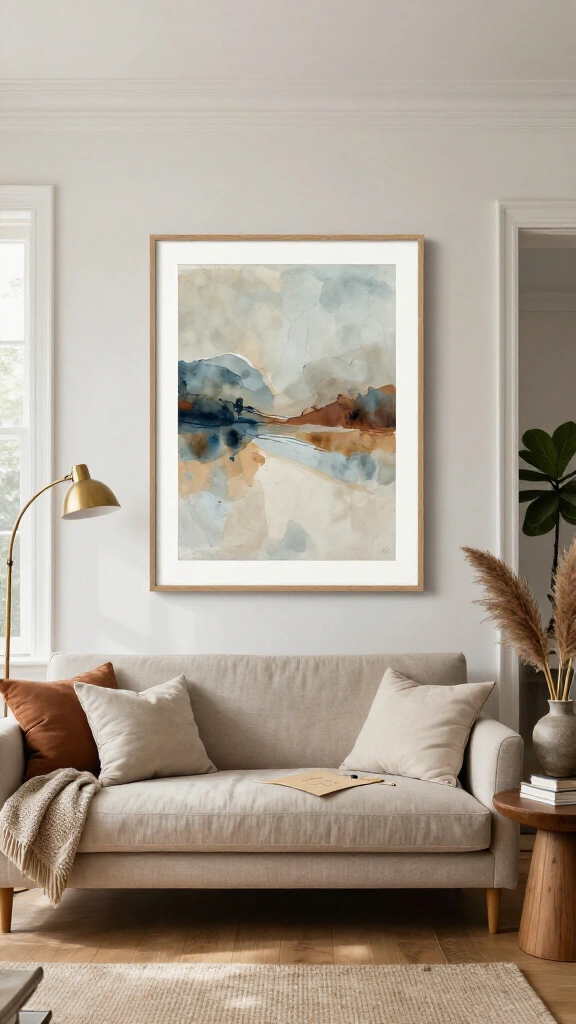
Start with the center of the artwork around eye level, then adjust for your furniture and ceiling height. Above a sofa or console, hang the piece close enough to connect visually with the furniture below. You can cut a paper template to test the placement before putting holes in the wall.
12. Build a collected gallery wall

Combine photographs, prints, and small original pieces to tell a story on your wall. Repeat an element such as a frame finish, mat color, or subject to give the collection some order. For more bedroom ideas, explore these wall decor bedroom ideas.
13. Bring in greenery

A leafy plant softens hard edges and brings a natural shape to a shelf, side table, or empty corner. Choose one that suits the room’s light and a watering schedule you can keep. If you have pets, check the ASPCA’s plant database before bringing a new variety home.
14. Make your bed with layers

Start with comfortable sheets and a duvet or coverlet, then fold a contrasting throw across the bed. Mix cotton, linen, or another textured weave for a relaxed look. Keep the pillow count practical unless you enjoy removing a pile of cushions every night.
15. Style a dresser with purpose

Start with a mirror or artwork above the dresser, then add a lamp, a small tray, and a personal object. Gather everyday items like jewelry and hand cream on the tray instead of leaving them scattered across the surface. Find more ways to arrange it in these dresser decor bedroom ideas.
16. Swap small hardware for a fresh look

New knobs or pulls can refresh a dresser, bathroom vanity, or kitchen cabinet without a full renovation. Before choosing pulls, measure the distance between the existing screw holes and check the screw length against the drawer thickness. A simple finish that complements nearby fixtures usually helps the pieces look at home together.
17. Repeat a metal finish

Choose one metal finish to lead, then repeat it in a few places, perhaps on a lamp and a cabinet pull. You can mix brass, black, chrome, or bronze. Give each finish a companion somewhere in the room so the mix feels deliberate. Consider undertones, too: warm brass and cool chrome contrast more noticeably than two similar finishes.
18. Give shelves a balanced arrangement

Alternate upright books with horizontal stacks, then tuck in ceramics, framed photos, or a small plant. Leave some empty space around the objects. When you finish, step back and check whether one side looks much heavier than the other.
19. Use baskets to hide everyday clutter

Place a woven basket beside the sofa for throws or near the entry for shoes and accessories. Choose a size that fits what you use, and keep it clear of doors and walkways. A basket makes tidying easier without asking you to pretend nobody lives there.
20. Refresh your entryway

Give your entry a place to catch everyday belongings with a slim console, wall hooks, or a small bench. Add a washable mat and a dish for keys. If you have room, hang a mirror or a piece of art. Even a narrow hallway can feel welcoming when each piece earns its place.
21. Add warmth with wood tones

Wood furniture and accents bring warmth to rooms full of painted walls and upholstered pieces. To mix wood tones, look for a similar warm or cool undertone and spread the finishes around the room. Start small with a wooden stool, picture frame, or tray.
22. Choose statement lighting for the dining area

A pendant or chandelier can anchor a dining table and add personality overhead. Choose a fixture that suits the table’s scale, and hang it high enough for people to see one another across the table. Follow the manufacturer’s instructions, and hire a qualified electrician when the installation calls for electrical work.
23. Make open kitchen shelves work harder

Put frequently used dishes and glasses on display, then add a small stack of cookbooks or a crock of utensils. Group similar colors or materials for a calmer arrangement. Keep shelves away from hazards such as open flames, and choose wall anchors that suit the shelf’s load and the wall material.
24. Turn the bathroom into a calm retreat

Clear away mismatched containers and use a tray for daily essentials and a basket for spare towels. Coordinate the towels and bath mat for a simple, cohesive look. For more ideas, browse these primary bathroom ideas for a spa-like space.
25. Try a dark, cozy accent

Deep green, charcoal, or navy can make a bedroom or living room feel more intimate, especially alongside warm lighting and tactile fabrics. Test paint samples on different walls and check them throughout the day before you commit. If you aren’t ready to paint, try the shade on a throw, a piece of art, or an accent chair.
26. Decorate with objects you already love

Bring out a travel souvenir, a favorite photograph, or a handmade bowl instead of filling shelves with generic accessories. Give meaningful pieces enough space to stand out, and gather smaller items on a tray or stack of books. Personal details give a room a history that a catalog can’t supply.
27. Plan around comfortable clearances

Decor should leave you enough room to move comfortably. Measure door swings, keep usable routes between furniture, and check that drawers and cabinet doors can open fully. If someone in your home uses a mobility device, plan for their specific needs; the U.S. Access Board’s accessibility guidance provides technical context.
28. Edit the room before you finish
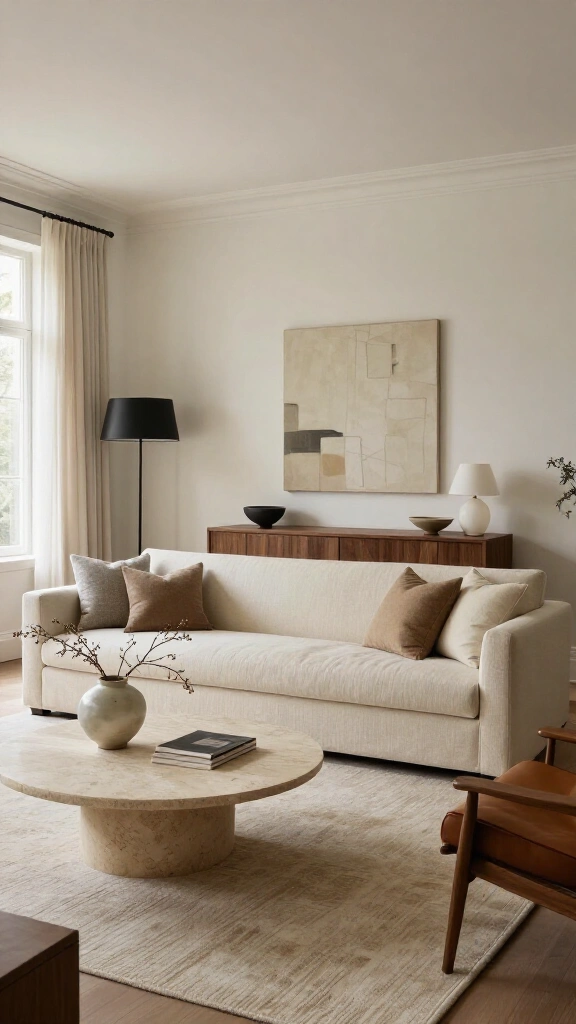
Step back, take a photo, and notice what draws your attention. Remove or relocate anything that crowds a surface, blocks a path, or contributes nothing to the room’s function or character. A thoughtful edit can make more difference than another shopping trip.
Conclusion: Make designer style your own
The best interior decor ideas balance good proportions, layered lighting, useful storage, and personal character. Start with one room, address its biggest frustrations, and build from there.
You don’t need a perfect home to make it beautiful. Create a space that works for your life, and maybe find a rug that finally fits.